


Posted By John Morris On 31 Jan 2026 Comments (15)
Learn the warning signs of dangerous medication reactions and when to call your doctor. Know the difference between normal side effects and life-threatening emergencies to protect your health.
READ MORE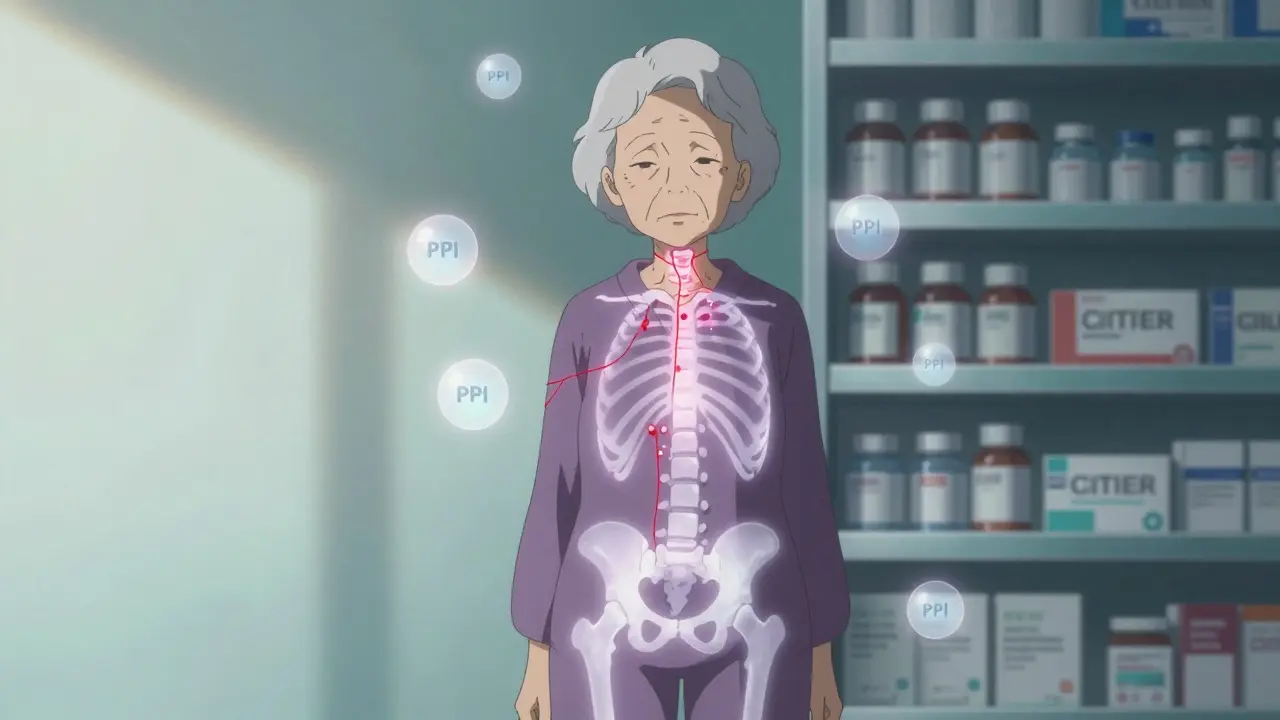
Posted By John Morris On 30 Jan 2026 Comments (10)
Long-term use of proton pump inhibitors may increase fracture risk, especially in older adults and postmenopausal women. Learn how PPIs affect bone health, who’s most at risk, and what steps to take to protect your bones while managing acid reflux.
READ MORE
Posted By John Morris On 29 Jan 2026 Comments (11)
A practical guide to reversing prediabetes through fiber-rich foods, lean protein, and low-glycemic carbs. Learn how simple daily swaps can lower blood sugar and prevent type 2 diabetes.
READ MORE
Posted By John Morris On 28 Jan 2026 Comments (11)
DPP-4 inhibitors help control blood sugar in type 2 diabetes, but they can cause severe joint pain. Learn the signs, what the FDA says, and what to do if you're affected.
READ MORE
Posted By John Morris On 27 Jan 2026 Comments (9)
Alcohol can trigger dangerous low blood sugar and liver damage when taken with diabetes medications like insulin, sulfonylureas, or metformin. Learn how to recognize the risks and stay safe.
READ MORE
Posted By John Morris On 26 Jan 2026 Comments (13)
The FDA has overhauled generic drug approval rules between 2023 and 2025 to boost U.S. manufacturing. Learn how the new pilot program speeds up approvals, affects drug prices, and impacts patients and manufacturers.
READ MORE
Posted By John Morris On 26 Jan 2026 Comments (8)
High-risk medications like insulin, heparin, and chemotherapy require strict double-check procedures to prevent deadly errors. Learn which drugs need extra verification, how the process works, and why technology is changing safety standards.
READ MORE
Posted By John Morris On 24 Jan 2026 Comments (14)
Struggling to swallow pills? You're not alone. Learn safe, practical ways to take your medicine without choking or skipping doses-using techniques, alternatives, and expert-backed strategies.
READ MORE
Posted By John Morris On 23 Jan 2026 Comments (10)
Foodborne illnesses affect millions each year, with pathogens like Salmonella, Norovirus, and Listeria causing serious illness and death. Learn the most dangerous bugs, how they spread, and simple steps to protect yourself at home.
READ MORE
Posted By John Morris On 22 Jan 2026 Comments (10)
Adenomas and serrated lesions are the two main precancerous polyps in the colon. Learn how they differ in appearance, risk, detection, and follow-up to understand your colon cancer risk and screening needs.
READ MORE