

When your pharmacist hands you a different pill than what your doctor prescribed, it’s not a mistake—it’s generic substitution, the practice of replacing a brand-name drug with a chemically identical generic version. Also known as drug substitution, it’s one of the biggest ways healthcare systems cut costs without sacrificing effectiveness. Most generics work just as well as the brand name, but not everyone feels that way. Some people swear their blood pressure medicine doesn’t work the same after switching. Others worry about side effects that weren’t there before. The truth? Often, it’s not the drug—it’s the belief.
Therapeutic alternative, a different drug from the same class that treats the same condition is related but not the same as generic substitution. A therapeutic alternative might be a different brand or even a different chemical, while a generic is the exact same chemical, just cheaper. Pharmacy counseling, the conversation a pharmacist has with you about your medication is what makes the difference. If you’re not told why the switch happened, what to expect, and how to spot real problems, you’re more likely to stop taking your medicine—or blame the generic for side effects that were never there.
State laws control whether pharmacists must substitute generics (mandatory substitution) or just can (permissive substitution). In some places, you have to ask for the brand name. In others, you get the generic unless you say no. That’s why knowing your rights matters. If you’ve had bad reactions before, or if your condition is sensitive—like epilepsy, thyroid disease, or heart failure—you should always ask if the generic is truly interchangeable. Not all generics are created equal, especially for drugs with narrow therapeutic windows.
And here’s something most people don’t realize: the nocebo effect is real. If you believe generics are inferior, your brain can make you feel worse—even when the pills are identical. Studies show patients report more side effects after switching to generics, not because the drug changed, but because they expected it to. That’s why clear communication from your pharmacist isn’t just nice—it’s essential. They need to explain that the active ingredient is the same, the FDA requires proof of bioequivalence, and the only differences are in color, shape, or inactive fillers.
Some of the most common concerns show up in posts about heart attack warning signs, liquid antibiotics, and medication recalls. Why? Because when you’re managing a chronic condition, any change feels risky. You don’t want your blood pressure to spike because you switched pills. You don’t want your infection to come back because the generic didn’t work. That’s why understanding generic substitution isn’t about saving money—it’s about staying in control of your health.
Below, you’ll find real stories and expert advice on how to talk to your doctor about lower-cost options, how to spot when a generic isn’t right for you, and why some people feel worse after switching—even when science says they shouldn’t. Whether you’re saving on insulin, managing arthritis, or just trying to make your prescriptions last longer, this collection gives you the facts you need to make smart choices—without fear or guesswork.
Posted By John Morris On 16 Jan 2026 Comments (10)
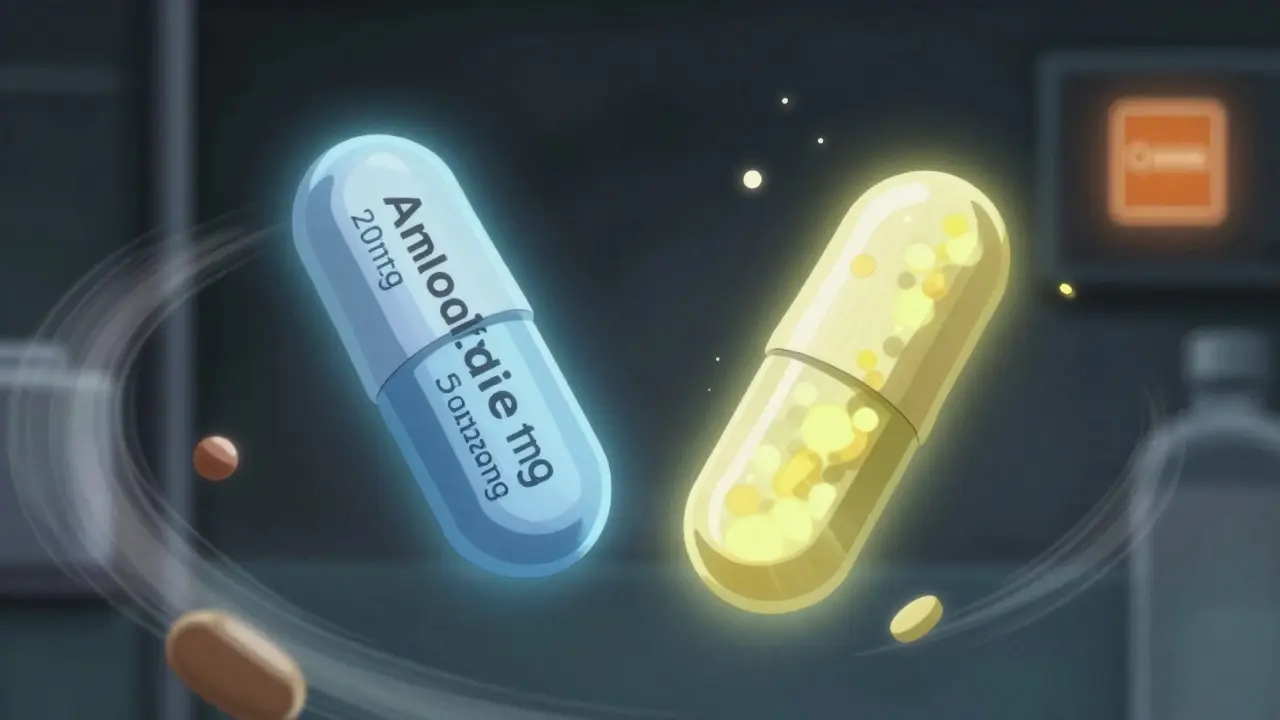
Therapeutic equivalence in combination drugs isn't guaranteed just because two pills have the same name and dose. Learn why different formulations, inactive ingredients, and dose interactions can change outcomes - and how to avoid dangerous substitutions.
READ MORE
Posted By John Morris On 28 Dec 2025 Comments (10)
Generic antiseizure medications can save money, but for many patients, switching brands can trigger seizures or side effects. Learn the risks, which drugs are most dangerous to substitute, and how to protect your treatment plan.
READ MORE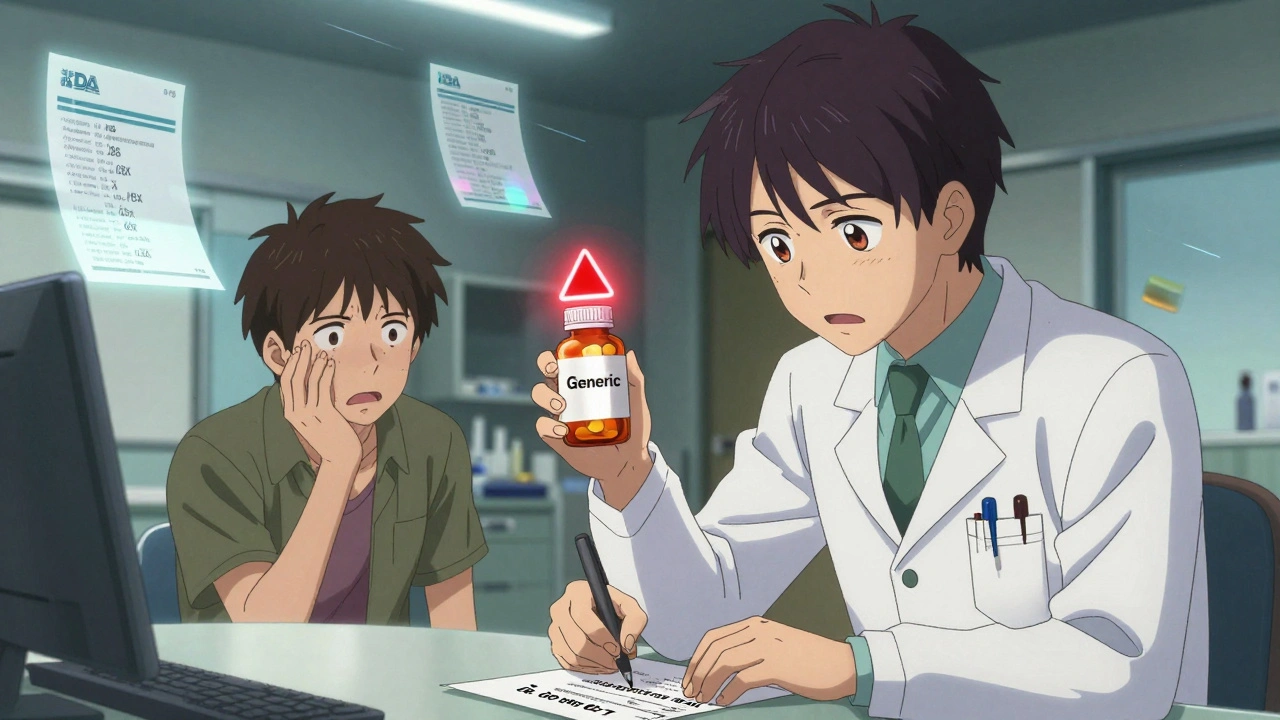
Posted By John Morris On 1 Dec 2025 Comments (9)
Medical societies have conflicting stances on generic drug substitution. While most generics are safe, neurologists and other specialists warn against switching certain high-risk medications due to potential safety risks. Here's what doctors really think.
READ MORE