


When you’ve been seizure-free for years, the last thing you want is a change in your medication to throw everything off. But for many people taking antiseizure medications (ASMs), that’s exactly what happens-without warning. A pharmacy switch, a formulary update, or a cost-saving policy can lead to a generic version of your brand-name drug showing up on your pill bottle. The label says it’s the same. The price is lower. But for some, the consequences are anything but the same.
Why Generic Substitution Feels Risky for Antiseizure Drugs
Antiseizure medications are not like antibiotics or blood pressure pills. Many of them have a narrow therapeutic index (NTI), meaning the difference between a dose that works and one that causes harm is tiny. A 15% drop in blood concentration might mean a breakthrough seizure. A 20% spike could mean dizziness, confusion, or even toxicity. The FDA says generics are bioequivalent. That means, in a lab, the generic version absorbs into the bloodstream at a rate and level close enough to the brand name-within 80% to 125% of the original. Sounds fine, right? But real people aren’t lab rats. Their bodies react differently. Their other medications interact. Their sleep, stress, and diet change daily. And for someone with epilepsy, even a small fluctuation can be dangerous. Studies back this up. One published in Neurology in 2008 found that switching from brand-name lamotrigine to a generic version led to a 23% increase in doctor visits and an 18% rise in hospitalizations. Another global survey of over 1,200 healthcare providers found that 40% had seen patients experience more seizures after switching to generics. And it’s not just seizures. Nearly 17% reported worse side effects-rashes, drowsiness, mood swings-after the switch.Which Antiseizure Drugs Are Most Problematic?
Not all ASMs carry the same risk. Some are more sensitive to small changes in how they’re absorbed. The biggest concerns are:- Carbamazepine - Known for unpredictable absorption. Generic versions vary more in how quickly they release into the system.
- Lamotrigine - Even minor shifts in blood levels can trigger rashes or seizures. Patients report breakthrough seizures after switching.
- Valproic acid - Tight therapeutic window. Small changes can cause liver stress or tremors.
- Phenobarbital - Often used in low-resource settings. Poor-quality generics here have led to treatment failure.
Real Stories: When a Pill Change Changed Everything
On patient forums, the stories are heartbreaking-and all too common. One woman, who’d been seizure-free for five years on brand-name Lamictal, switched to a generic after her insurance changed. Two weeks later, she had three seizures in a row. She didn’t know what had changed until she checked the pill: different color, different shape, different manufacturer. She went back to the brand-and the seizures stopped. Another patient on Reddit described how switching generics made him constantly double-check his pills. The anxiety alone triggered his first seizure in two years. He wasn’t even taking the wrong dose-he was just terrified he might be. A 2021 survey by the International League Against Epilepsy found that 68% of patients were anxious about generic substitution. Over 40% said they’d pay more out of pocket to stay on the same version. For many, consistency isn’t a luxury-it’s a lifeline.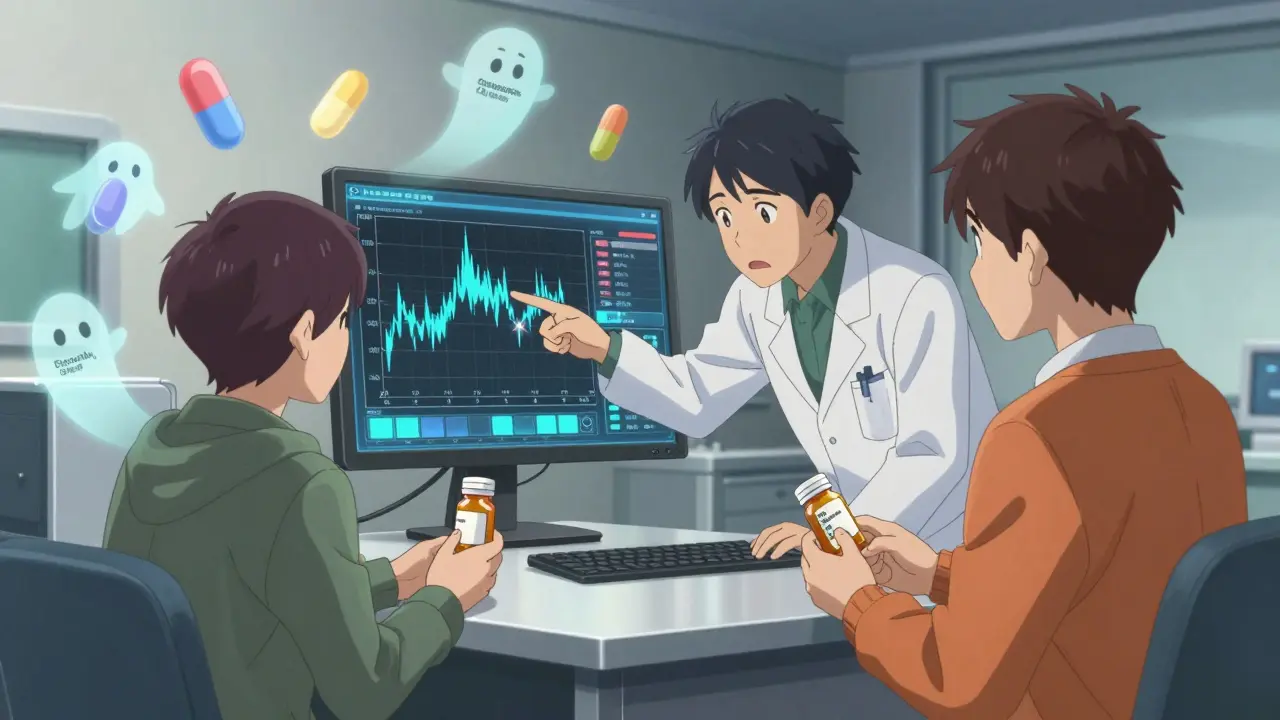
What Doctors and Regulators Are Saying
There’s a clear divide between regulatory agencies and frontline neurologists. The FDA maintains that bioequivalence standards are sufficient. They point out that many people have seizures even while staying on the same brand. But neurologists who treat epilepsy daily see something different. Dr. Philip P. Glass from Montefiore Medical Center says, “The evidence is clear that for narrow therapeutic index drugs like many ASMs, even small variations matter.” His center has a strict policy: no switches unless absolutely necessary. The UK’s MHRA issued guidance stating that for drugs where failure could be life-threatening, “consistency of supply is important.” That’s not a vague suggestion-it’s a warning. And it’s not just about seizures. Switching can cause confusion, especially for older adults or children. Pill appearance changes constantly with generics. One month it’s white and oval. The next, it’s blue and round. For someone with memory issues, that’s a red flag. They start doubting if they’ve taken their dose. That anxiety alone can be a trigger.Best Practices: How to Stay Safe
If you’re on an antiseizure medication, here’s what you need to do:- Ask your neurologist before any switch. Not your pharmacist. Not your GP. Your neurologist. They know your history, your seizure type, your triggers.
- Know your medication. Keep a note of the pill’s color, shape, and imprint. If it changes unexpectedly, call your pharmacy and your doctor.
- Request a brand-name prescription if needed. Many insurers allow exceptions for NTI drugs. Your doctor can write “Dispense as Written” or “Do Not Substitute” on the script.
- Track your seizures and side effects. Keep a simple log: date, seizure type, mood, sleep, any new symptoms. If things change after a switch, you’ll have proof.
- Check for excipients. Some generics use fillers like lactose or carbohydrates. For people on the ketogenic diet, even a small amount of sugar in a pill can disrupt ketosis and trigger seizures.

What’s Changing? What’s Coming?
The FDA is considering tighter bioequivalence rules for NTI drugs-narrowing the acceptable range from 80-125% to 90-111%. That’s a big step. But it’s still not a guarantee. The real solution isn’t just stricter standards-it’s personalized care. The 2024 International Epilepsy Guidelines now recommend individualized decisions. Not a one-size-fits-all rule. If you’ve been stable for years? Don’t switch. If you’re on a tight budget and have never had a problem with generics? Maybe it’s fine. But don’t assume. Specialized epilepsy centers are already moving toward “medication consistency” as a core part of treatment. Some are even partnering with pharmacies to ensure patients get the same manufacturer every time. Meanwhile, the cost pressure remains. Generics save billions. In 2023, they made up $4.2 billion of the $6.8 billion global ASM market. But when a single seizure leads to an ER visit, the real cost isn’t the pill-it’s the ambulance, the hospital stay, the lost work, the trauma.Final Thoughts: Your Meds, Your Control
Generic substitution isn’t inherently bad. For many drugs, it’s safe and necessary. But antiseizure medications are different. They’re not just chemicals-they’re the barrier between you and a seizure. And for people with epilepsy, that barrier needs to be as solid as possible. You have the right to ask questions. You have the right to refuse a switch. You have the right to demand consistency. Don’t let cost-cutting decisions override your health. Talk to your doctor. Document everything. And if something feels off after a switch? Trust your gut. It might be saving your life.Can I switch from brand-name to generic antiseizure medication safely?
For some people, yes. But for those with a narrow therapeutic index drug like lamotrigine, carbamazepine, or valproic acid, even small changes in absorption can trigger seizures. Always consult your neurologist before switching. Never let a pharmacy change your medication without your doctor’s approval.
Why do generic antiseizure pills look different each time?
Generic manufacturers aren’t required to match the brand’s appearance. Each company uses different dyes, shapes, and sizes to distinguish their version. This can cause confusion, especially for older adults or people with memory issues. If your pill looks different, check with your pharmacist or doctor to confirm it’s the same medication.
Are generic antiseizure drugs less effective than brand-name ones?
Regulatory agencies say they’re bioequivalent. But real-world evidence shows otherwise. Studies link generic switches to increased seizures and hospital visits. For many patients, the brand-name version provides more consistent blood levels. Effectiveness isn’t just about chemistry-it’s about how your body reacts over time.
How do I ask my doctor to keep me on the brand-name drug?
Ask your neurologist to write “Dispense as Written” or “Do Not Substitute” on your prescription. Many insurers will honor this for antiseizure medications, especially if you’ve had seizures in the past or are on a narrow therapeutic index drug. If your insurance denies it, your doctor can file a prior authorization appeal.
What should I do if I have a seizure after switching generics?
Contact your neurologist immediately. Keep a log of the seizure (date, time, duration, symptoms) and note the exact name and appearance of the new pill. Bring the pill bottle to your appointment. You may need to switch back to the original brand. Do not wait to see if it’s a one-time event-this could be a sign of therapeutic failure.
Is it safe to switch between different generic versions?
No. Switching between different generic manufacturers can cause the same risks as switching from brand to generic. Each generic version may have slightly different absorption rates. Even if both are “generic,” they’re not the same product. Stick with one manufacturer unless your doctor approves a change.
Do insurance companies force generic switches for antiseizure drugs?
Yes, many do-especially if the generic is cheaper. But federal and state laws allow exceptions for drugs with narrow therapeutic indices. Your doctor can request a medical exemption. If you’ve had seizures before or are on multiple ASMs, you have strong grounds to appeal. Don’t accept a switch without your neurologist’s input.
Are there programs to help pay for brand-name antiseizure drugs?
Yes. The Epilepsy Foundation’s Medication Access Program helps over 12,000 patients annually with cost assistance for brand-name ASMs. Pharmaceutical companies also offer patient assistance programs. Ask your neurologist or pharmacist for help applying. Your health is worth the effort.
Next Steps: What to Do Today
If you’re on an antiseizure medication:- Check your current pill. Note its color, shape, and imprint.
- Call your pharmacy. Ask if they’ve switched your medication recently.
- Call your neurologist. Ask if your drug is on the high-risk list for substitution.
- If you’re unsure, request a “Do Not Substitute” prescription. It’s your right.
Janette Martens
December 29, 2025 AT 14:05Marie-Pierre Gonzalez
December 31, 2025 AT 13:48Louis Paré
January 1, 2026 AT 09:57Kelsey Youmans
January 1, 2026 AT 13:12Sydney Lee
January 1, 2026 AT 13:50oluwarotimi w alaka
January 3, 2026 AT 04:42Debra Cagwin
January 5, 2026 AT 02:53Hakim Bachiri
January 5, 2026 AT 07:42ANA MARIE VALENZUELA
January 5, 2026 AT 09:41Bradly Draper
January 5, 2026 AT 19:54