

When you hear allergy de-labeling, the process of safely removing incorrect or outdated food allergy labels based on updated medical testing. Also known as allergy reassessment, it’s how people who were told they’re allergic to peanuts, eggs, or milk years ago find out they can now eat those foods without risk. Many parents and adults carry around strict avoidance rules for foods they were diagnosed with decades ago—often from a single skin test or a mild reaction that never returned. But science has changed. Not every positive test means a real, lasting allergy.
IgE-mediated allergy, the type of allergy that triggers immediate immune responses like hives, swelling, or anaphylaxis is what most people think of when they hear "allergy." But not all positive blood or skin tests reflect true IgE-driven reactions. Some are false positives, especially in kids. allergen avoidance, the practice of completely cutting out a food due to suspected allergy can lead to nutritional gaps, anxiety, and unnecessary restrictions. De-labeling flips that. It’s not about guessing—it’s about testing again. Oral food challenges, done under medical supervision, are the gold standard. If you pass one, your label changes. No more "no dairy" on your medical card. No more panic at birthday parties.
This isn’t just for kids. Adults who outgrew allergies, or were misdiagnosed due to cross-reactivity (like birch pollen mimicking apple allergy), benefit too. Many people live with fear-based restrictions long after their body has moved on. De-labeling isn’t a quick fix. It requires patience, a good allergist, and sometimes multiple visits. But the payoff? Freedom. More food choices. Less stress. Better nutrition. And peace of mind knowing your restrictions are based on current facts, not old paperwork.
The posts below cover real stories and science behind this shift—from how oral challenges work, to why some people react to labels more than to the food itself, to how pharmacists and doctors are helping patients safely challenge old diagnoses. You’ll find advice on talking to your provider, understanding test results, and what to expect when you’re ready to take the next step. This isn’t about risking your health. It’s about fixing the mistakes that have been holding you back.
Posted By John Morris On 8 Dec 2025 Comments (9)
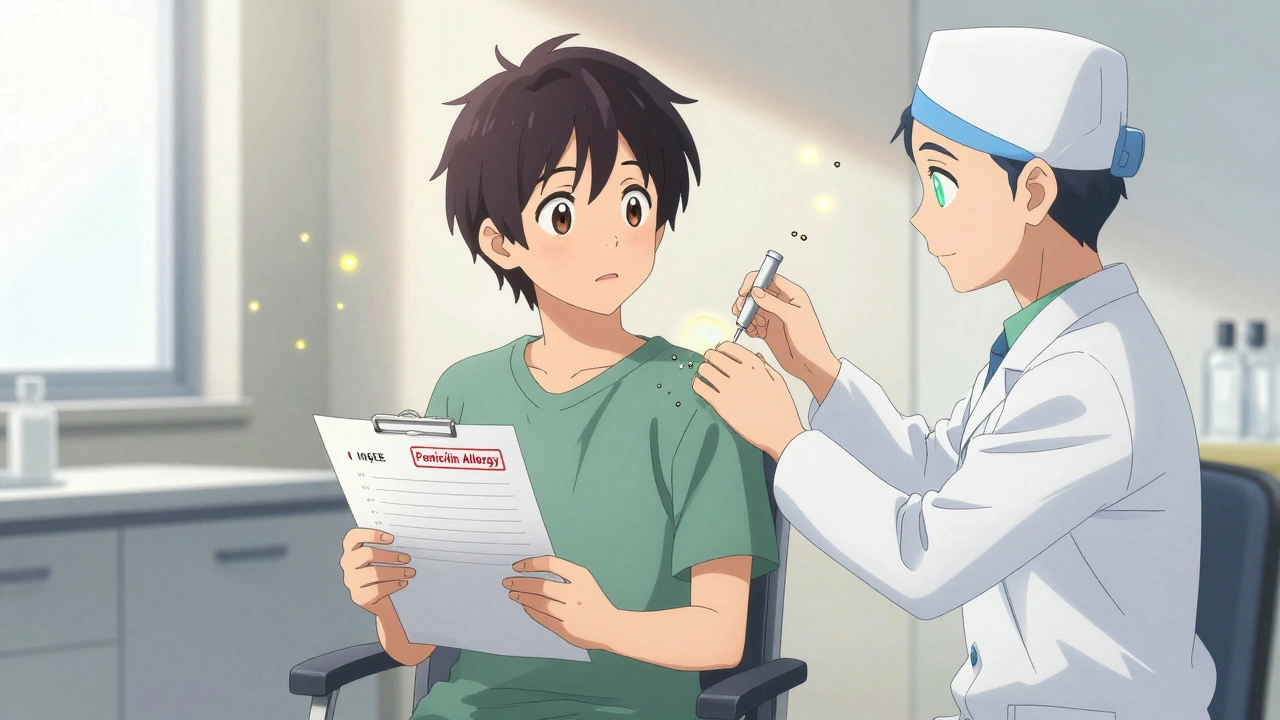
Most people who think they're allergic to penicillin aren't. Learn the truth about penicillin allergies, how testing works, and why getting cleared can save your life - and help fight antibiotic resistance.
READ MORE