

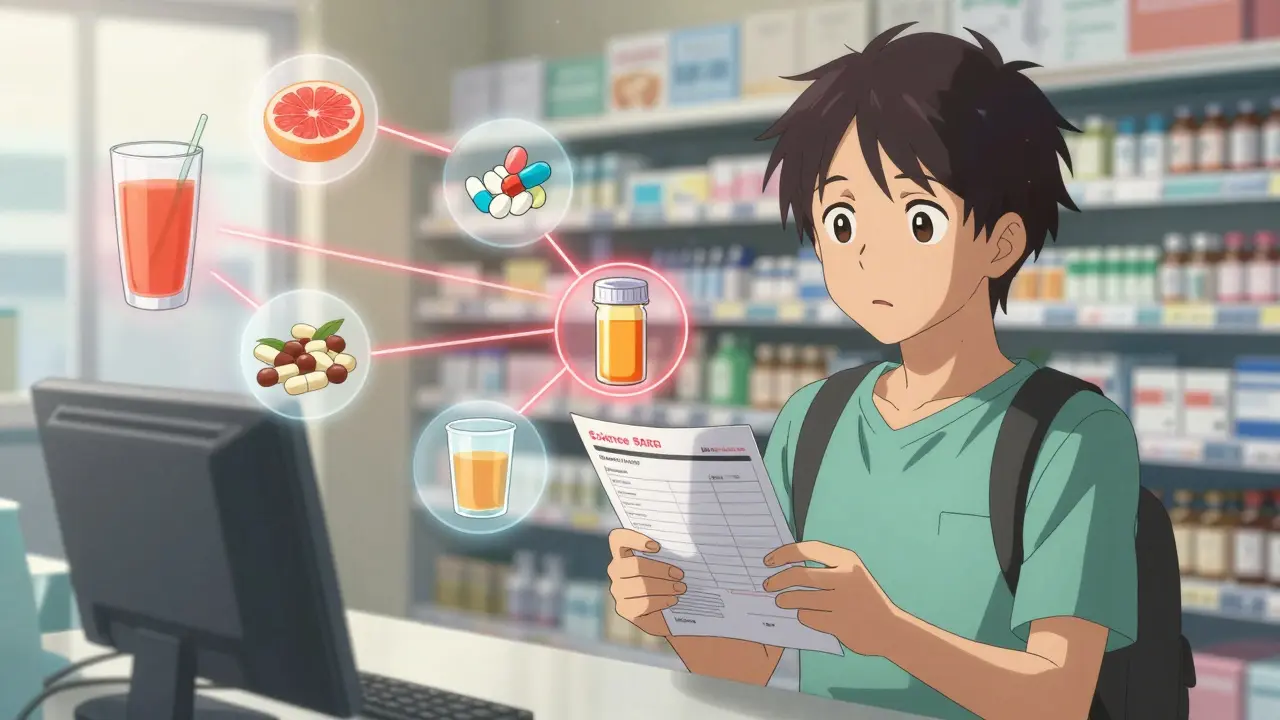
Every year, over a million people in the U.S. are hurt by medication errors-and nearly 7% of those are caused by dangerous medication interactions. You might think your doctor covered everything when prescribing your new medicine. But here’s the truth: pharmacists are the real experts on how drugs behave with each other, with food, and even with your daily habits. And they won’t bring it up unless you ask.
Why You Can’t Rely on Your Doctor Alone
Doctors are busy. They write prescriptions, manage chronic conditions, and make quick decisions under pressure. While they know your medical history, they don’t always know every supplement you take, every OTC pill you grab off the shelf, or whether you drink grapefruit juice every morning. Pharmacists, on the other hand, are trained to spot hidden risks. They see your full medication list-prescription, over-the-counter, vitamins, herbs-and they know how these things react together.According to the FDA, 6.7% of all reported adverse drug events in 2022 were due to interactions. That’s not rare. It’s common. And most of these could have been prevented with a simple conversation.
What Exactly Is a Medication Interaction?
An interaction happens when two or more substances change how a drug works in your body. This can mean:- A medicine becomes less effective
- A side effect gets worse
- A completely new, dangerous reaction appears
There are four main types:
- Drug-drug: Like mixing SSRIs (e.g., fluoxetine) with MAOIs-this can trigger serotonin syndrome, a life-threatening spike in body temperature and heart rate.
- Drug-supplement: Warfarin (a blood thinner) and vitamin K-rich supplements can cancel each other out. Cranberry juice? It can make warfarin too strong, increasing bleeding risk.
- Drug-food: Grapefruit juice doesn’t just taste good-it blocks enzymes that break down 85+ medications. Statins like atorvastatin can jump to 1,500% higher levels in your blood, raising the risk of muscle damage.
- Drug-beverage: Alcohol and metronidazole (an antibiotic) can cause vomiting, flushing, and rapid heartbeat. Even coffee can interfere with some antidepressants.
And don’t forget antacids. Tums or Rolaids might seem harmless, but they can block absorption of certain Hepatitis C drugs, making them useless. That’s not a myth-it’s a documented risk.
Questions to Ask Your Pharmacist
Don’t just take your prescription and leave. Use your five minutes with the pharmacist wisely. Here’s exactly what to say:- “Does this medication interact with anything else I’m taking?”-Include every prescription, OTC pill, vitamin, and herbal supplement. Even if you think it’s “just a little” or “natural,” tell them.
- “Are there foods, drinks, or beverages I should avoid?”-Grapefruit juice is the big one, but don’t forget alcohol, caffeine, dairy, and even high-fiber meals that can delay absorption.
- “Can I take this with my other meds at the same time?”-Timing matters. Levothyroxine (for thyroid) should be taken 4 hours apart from calcium or iron supplements, or your body won’t absorb it properly.
- “What side effects should I watch for if there’s an interaction?”-Some reactions are slow. Others hit fast. Know the warning signs: unusual fatigue, dizziness, chest pain, skin rash, or dark urine.
- “Will I need blood tests or monitoring while taking this?”-Some drugs, like warfarin or certain antibiotics, require regular checks. Your pharmacist can tell you how often and what to expect.
- “Could this affect my birth control, sleep, or mood?”-Antibiotics can reduce birth control effectiveness. Some antidepressants cause insomnia. These aren’t always listed on the label.
- “Is it safe to drive or operate machinery while taking this?”-Many medications cause drowsiness or dizziness. You might not realize it until you’re behind the wheel.
- “Does this make me more sensitive to sunlight?”-Certain antibiotics, diuretics, and acne treatments can cause severe sunburns or skin discoloration. Ask about sun exposure.

What Most People Forget to Mention
You’d be surprised what gets left out. Patients often don’t tell pharmacists about:- Herbal supplements (like St. John’s Wort, which can make antidepressants, birth control, and HIV meds fail)
- Over-the-counter painkillers (ibuprofen with blood pressure meds can spike kidney risk)
- Vitamins (vitamin E and fish oil can thin blood, especially when combined with warfarin)
- Recreational substances (even occasional marijuana can interact with sedatives or heart meds)
One patient on Reddit shared how their pharmacist caught that their levothyroxine was being blocked by calcium supplements they took at breakfast. The pharmacist suggested taking the thyroid med at bedtime instead. That simple change fixed their symptoms.
How to Prepare for the Conversation
Don’t wing it. Bring this to your pharmacy visit:- A printed or digital list of every medication you take-including dosages and times
- Photos of pill bottles or packaging (if you don’t have labels)
- Names of supplements and brands (e.g., “Nature Made Omega-3 1000mg”)
- Any recent changes: new meds, stopped meds, or new symptoms
Update this list every three months. Your body changes. Your meds change. Your interactions change too.
What If You’re on Medicare?
If you’re enrolled in Medicare Part D, you’re entitled to a Comprehensive Medication Review (CMR) once a year. This isn’t optional-it’s required by law. During this review, your pharmacist must check for interactions, gaps in therapy, and unnecessary meds. Don’t skip it. Ask for it. If your pharmacy doesn’t offer it, call Medicare or your plan directly.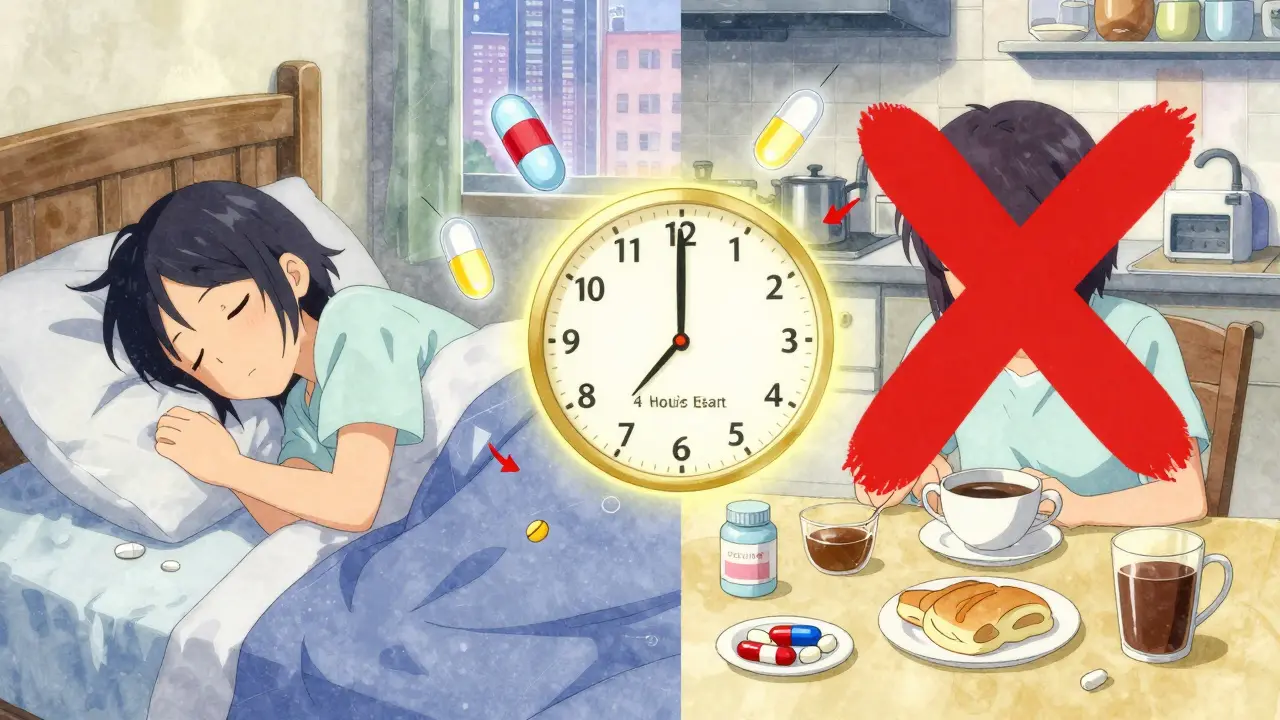
Why Pharmacists Don’t Always Speak Up
Here’s the uncomfortable truth: pharmacists are trained to catch interactions-but they’re often rushed. Only 38% of patients get full interaction counseling when picking up prescriptions. Why? Time. The American Society of Health-System Pharmacists says 78% of pharmacists say they don’t have enough time to explain everything.That’s why you have to ask. You can’t wait for them to notice. You’re the only one who knows your full routine. Be proactive. Be specific. Be persistent.
What to Do If You Think You Had an Interaction
If you feel off after starting a new med-dizzy, nauseous, heart racing, or just “not right”-don’t ignore it. Contact your pharmacist immediately. Then, report it to the FDA through MedWatch. Since March 2023, you can do this via their mobile app. Over 12,000 reports came in during the first six months. Your report helps protect others.Final Thought: You’re the CEO of Your Own Health
Your doctor prescribes. Your pharmacist protects. But you? You’re the one who takes the pills. You’re the one who eats the food. You’re the one who notices the side effects. Don’t hand over your safety to someone else. Ask the questions. Write them down. Bring your list. Speak up.One conversation could prevent a hospital visit. Or worse.
Can my pharmacist tell me if my new medicine will interact with my supplements?
Yes. Pharmacists are trained to check for interactions between prescription drugs, over-the-counter medicines, vitamins, and herbal supplements. They have access to databases that flag dangerous combinations-like St. John’s Wort reducing the effectiveness of birth control or warfarin, or calcium blocking thyroid medication. Always bring a full list of everything you take, even if you think it’s harmless.
Is grapefruit juice really that dangerous with medications?
Yes. Grapefruit juice blocks an enzyme in your gut called CYP3A4, which normally breaks down about 85 prescription drugs. This causes higher levels of the drug in your blood-sometimes up to 1,500% higher. Medications affected include statins (atorvastatin, simvastatin), some blood pressure pills, anti-anxiety drugs, and certain cancer treatments. Even one glass can have an effect that lasts over 24 hours. If you’re on any of these meds, avoid grapefruit juice entirely.
Do I need to tell my pharmacist about my alcohol use?
Absolutely. The National Institute on Alcohol Abuse and Alcoholism says 42% of adults take medications that interact with alcohol. Mixing alcohol with painkillers, antidepressants, sedatives, or antibiotics like metronidazole can cause drowsiness, liver damage, high blood pressure, or even life-threatening reactions. Be honest. Your pharmacist isn’t there to judge-they’re there to keep you safe.
Can my birth control fail because of another medication?
Yes. Antibiotics like rifampin and some antifungal drugs can reduce birth control effectiveness. Even St. John’s Wort, a popular herbal supplement for mood, can interfere. If you’re prescribed a new medication, always ask: “Could this make my birth control less effective?” If so, use backup protection like condoms for at least a week after starting the new drug.
Why didn’t my doctor tell me about this interaction?
Doctors manage complex cases and often rely on pharmacists to handle medication safety details. They may not know about every supplement you take or your daily habits. Pharmacists review your full medication profile-prescriptions, OTCs, herbs, even dietary patterns. It’s not a mistake by your doctor; it’s just how the system works. That’s why you need to talk to your pharmacist, too.
What if I can’t afford to switch to a different medication because of interactions?
Your pharmacist can help. Many drug manufacturers offer copay cards or patient assistance programs that lower costs. They can also check if a generic version has the same interaction risks-or if a different brand-name drug might be safer and still affordable. Never stop a medication without talking to them first. There’s often a solution.
Should I use a pharmacy app to check interactions?
Apps from CVS or Walgreens can help, but they’re not perfect. A 2023 study found they only catch about 63% of clinically significant interactions. They miss complex combinations, timing issues, and subtle food effects. Use them as a tool-not a replacement-for talking to your pharmacist. Always double-check with a human.
Can herbal medicines interact with prescription drugs?
Yes, and sometimes dangerously. Herbal supplements aren’t regulated like prescription drugs, so their strength and ingredients can vary. St. John’s Wort, garlic, ginkgo, and echinacea can interfere with blood thinners, antidepressants, transplant meds, and HIV drugs. A 2022 study showed herbal supplement use rose over 23% in one year. Always tell your pharmacist exactly what herbal products you’re using-name, brand, and dosage.
How often should I review my medications with my pharmacist?
At least every three months-or anytime you start, stop, or change a medication. Even if you feel fine, your body’s response to drugs can shift over time. If you’re on Medicare, you’re entitled to a free Comprehensive Medication Review once a year. Take it. It could save your life.
What if I forget to ask about interactions when I pick up my prescription?
Call or visit your pharmacy later. Most pharmacists are happy to answer questions. You can also use their website or app to message them. Don’t wait until you feel sick. A quick call could prevent a serious reaction. Keep your medication list handy so you can refer to it during the conversation.
Peyton Feuer
January 6, 2026 AT 06:54John Wilmerding
January 6, 2026 AT 18:57Vikram Sujay
January 6, 2026 AT 20:10jigisha Patel
January 8, 2026 AT 14:30Oluwapelumi Yakubu
January 9, 2026 AT 13:24Jay Tejada
January 10, 2026 AT 08:04Clint Moser
January 12, 2026 AT 04:55Abhishek Mondal
January 13, 2026 AT 02:31Stephen Craig
January 14, 2026 AT 12:09Charlotte N
January 15, 2026 AT 15:48Jason Stafford
January 17, 2026 AT 13:46Siobhan Goggin
January 19, 2026 AT 01:02