

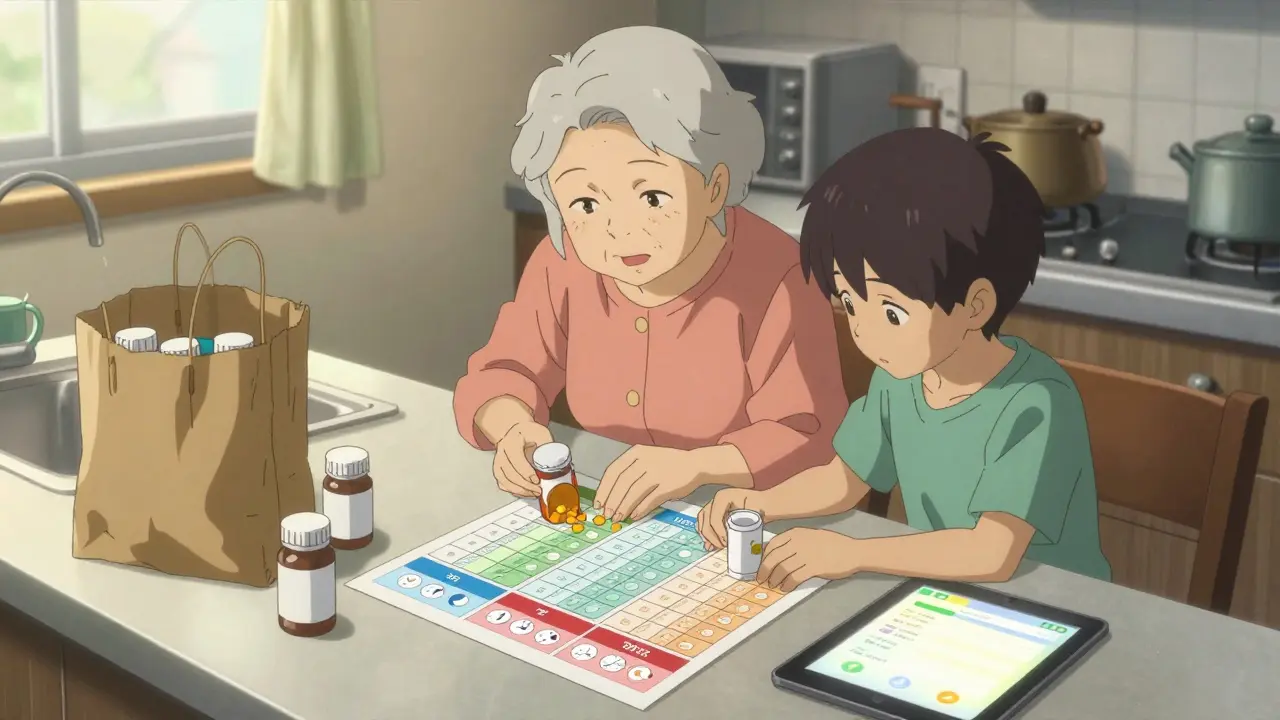
Managing medications for an older adult isn’t just about handing out pills. It’s about preventing hospital trips, avoiding dangerous interactions, and keeping your loved one safe at home. If you’re caring for someone taking five or more medications-which is true for over 78% of seniors-you’re already in the high-risk zone. A single mistake, like missing a dose or doubling up on a drug, can lead to falls, confusion, or worse. The good news? A simple, well-organized medication list cuts those risks in half. This isn’t about fancy apps or complicated charts. It’s about clarity, consistency, and making sure everyone involved-doctors, pharmacists, family members-knows exactly what’s being taken and why.
What Goes on a Medication List?
A medication list isn’t just a reminder. It’s a life-saving document. The FDA and Agency for Healthcare Research and Quality (AHRQ) agree: every list needs at least 10 key details for each medication. Skip even one, and you’re inviting error.
- Brand and generic name - "Lisinopril" and "Zestril" are the same drug. Write both.
- Dosage - Not "one pill." Write "10 mg."
- Frequency - "Twice daily" is fine, but specify "8 a.m. and 8 p.m."
- Purpose - Why are they taking it? "For blood pressure" or "for joint pain." This helps doctors spot duplicates.
- Special instructions - "Take with food," "do not crush," "avoid grapefruit." These matter more than you think.
- Start date - When did they begin this drug? If it’s been years and no one remembers, that’s a red flag.
- Prescribing doctor - Who wrote the script? Keep names and phone numbers handy.
- Pharmacy contact info - Name, number, address. If they switch pharmacies, you need to update this fast.
- Potential side effects - What should you watch for? Dizziness? Nausea? Swelling? Write it down.
- Allergies - Not just drugs. Include foods, dyes, or latex if relevant. Allergies prevent over 1.3 million adverse reactions yearly.
That’s it. Ten things. No more, no less. If your list doesn’t have these, it’s not a safety tool-it’s a guess.
Paper vs. Digital: Which One Works Better?
Most caregivers start with paper. And for good reason. It’s simple. No login. No updates. No battery. According to GoodRx’s 2022 survey, 63% of caregivers still use paper lists-and they’re not wrong. But paper has limits.
If someone takes four or fewer medications, a printed sheet taped to the fridge works. But once you hit five, six, or seven drugs, paper becomes messy. Handwritten changes get smudged. New prescriptions get lost. And if an emergency happens at 2 a.m., first responders won’t have time to dig through a drawer.
Digital tools change the game. Apps like Medisafe or MyMeds send reminders, flag interactions, and let you share updates with family. A 2023 Comfort Keepers study found digital tools reduce errors by 42% compared to paper for complex regimens. But here’s the catch: 62% of caregivers over 65 find digital apps too hard to use. That’s not a tech problem-it’s a design problem.
The smartest approach? Use both.
- Keep a laminated, color-coded paper list in a wallet, purse, or near the front door. Use different colors for morning, afternoon, and night meds.
- Use a digital app for daily reminders and updates. Sync it with the pharmacy so refills auto-update.
- Print out the digital version every month and keep it with the paper copy.
This dual system covers every scenario: power outage? Emergency? Hospital visit? You’ve got a physical copy. Forgot a dose? The app pings you. You’re covered.
The Six-Step Process to Build Your List
Don’t try to do this in one afternoon. Rushing leads to mistakes. Follow these steps over a few days.
- Collect everything - Go through every drawer, cabinet, and purse. Find every pill bottle, supplement, cream, inhaler, and patch. Don’t forget the aspirin in the bathroom or the gummy vitamins in the kitchen. This takes 2-3 hours. Bring everything to one table.
- Write down each one - Use the 10-point checklist above. For each item, fill in every field. If you don’t know the purpose, call the pharmacy. If you don’t know the dosage, check the label. Don’t guess.
- Sort by time - Group meds by when they’re taken: morning, noon, evening, bedtime. This makes it easier to follow daily. Use sticky notes or color tabs to separate them.
- Create two copies - One for home (laminated), one for digital. Email the digital version to yourself and any other caregivers. Print it and give copies to doctors and pharmacists.
- Set a weekly update time - Every Sunday evening, spend 15 minutes reviewing the list. Did any meds change? Did they start a new one? Did they stop one? Update immediately. Don’t wait. 78% of hospital readmissions among seniors happen because the list wasn’t updated after a doctor’s visit.
- Share with every provider - Bring the list to every appointment. Not just the primary doctor. Include specialists, physical therapists, and pharmacists. Ask them to check for duplicates or interactions. Many doctors don’t know what else the patient is taking.
It takes 2-3 weeks to get comfortable. In the first month, caregivers make an average of 4.7 errors. That’s normal. The goal isn’t perfection-it’s progress.
Handling Special Cases
Not all meds are the same. Some need extra care.
"As Needed" (PRN) Medications - These are tricky. Things like painkillers, anti-anxiety pills, or sleep aids. Don’t just list them as "take as needed." Add a log: "Take up to 2 tablets for pain, max 3 per day. If used more than 4 times a week, call doctor." Keep a small notebook next to the list to track usage.
Supplements - Many seniors take 5-10 supplements. Vitamin D? Fish oil? Turmeric? Treat them like prescriptions. List them with dosage and purpose. Some supplements interact with blood thinners or blood pressure meds. Your pharmacist can help.
Multiple Doctors - If your loved one sees three specialists, pick one person to be the medication coordinator. This person reviews all prescriptions, calls for updates, and keeps the master list. Avoid the "I thought you knew" problem.
Changes During Hospitalization - Hospitals often change meds. When your loved one is discharged, ask for a written discharge summary. Compare it to your list. If anything’s different, call the pharmacy or primary doctor. 58% of caregivers report confusion when hospital changes don’t match home lists.
Pro Tips That Make a Real Difference
- Use the brown bag method - Before every doctor visit, put all meds (and supplements) in a brown paper bag. Hand it to the doctor. They’ll spot duplicates, expired pills, or wrong dosages instantly. AARP found 89% of caregivers found this "extremely helpful."
- Include the NDC number - That long number on the pill bottle? That’s the National Drug Code. Write it down. Pharmacists use it to avoid dispensing errors. A 2022 study showed it cuts mistakes by 29%.
- Set a quarterly pharmacist review - Go to the pharmacy and ask: "Can you review all these meds?" They’ll check for interactions, outdated prescriptions, and unnecessary drugs. It’s free. And it’s required for Medicare Advantage patients on eight or more meds.
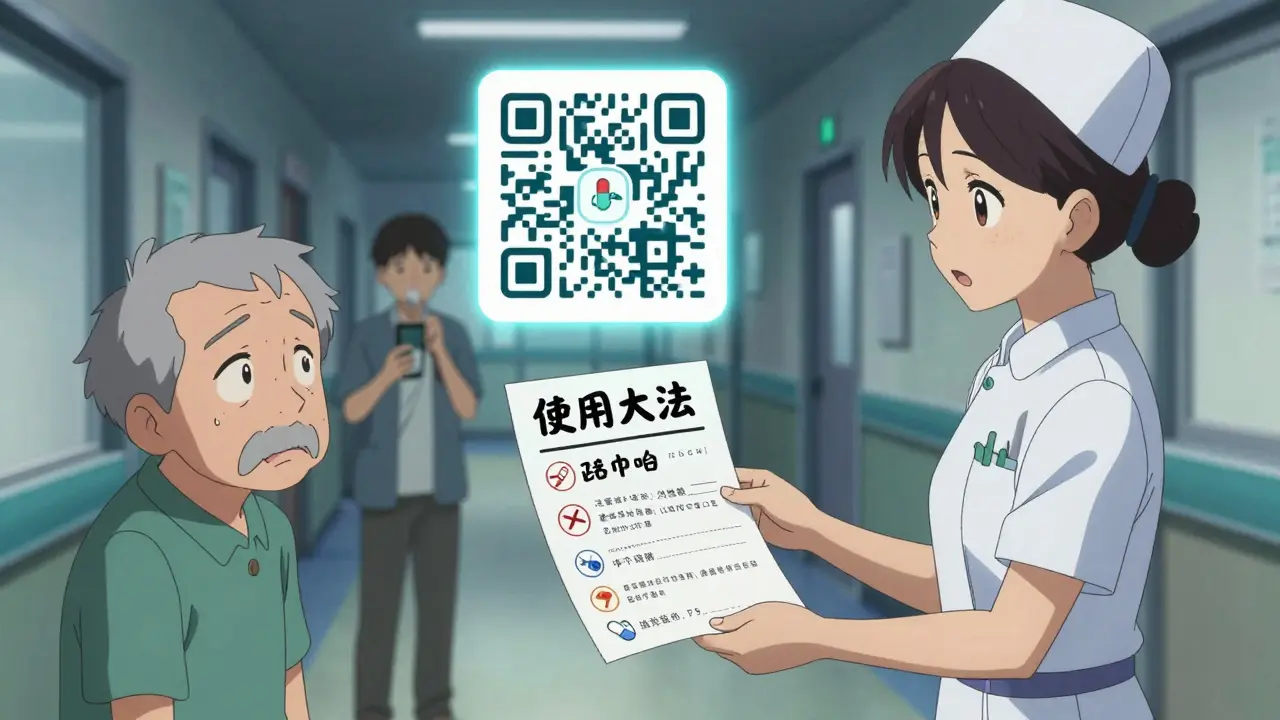
- Use QR codes - The FDA’s updated "My Medicines" template (2023) includes QR codes that link to pill images and side effects. Many pharmacies now offer this. Ask your pharmacist to print a QR code for each med and stick it next to the list.
- Color-code - Blue for morning, green for afternoon, red for night. Add icons: a sun for daytime, moon for night. One caregiver on Reddit reduced errors by 65% using a photo chart with images of each pill.

What to Avoid
These are common mistakes that lead to danger.
- Not updating after hospital visits - This is the #1 reason for readmissions. Always update.
- Assuming doctors know everything - Most doctors don’t. Bring the list every time.
- Ignoring supplements - They’re not harmless. They can be just as risky as prescriptions.
- Using old lists - A 6-month-old list is worse than no list. It gives false confidence.
- Waiting for "a good time" to organize - There’s no good time. Do it now. Before a crisis hits.
Why This Matters More Than Ever
By 2025, nearly 80 million Americans will be over 65. And most will be on multiple medications. The cost of medication errors? Over $500 billion a year. But the human cost? Unmeasurable.
Organizing a medication list isn’t busywork. It’s prevention. It’s peace of mind. It’s the difference between a quiet evening at home and an ambulance ride. You don’t need to be a nurse. You don’t need to be tech-savvy. You just need to be consistent.
Start today. Gather the pills. Write the list. Share it. Update it. And keep doing it. Because for someone you love, this list isn’t paperwork. It’s protection.
What’s the most important thing to include on a medication list?
The most critical item is the purpose of each medication. Without knowing why a drug is taken, you can’t spot duplicates, unnecessary prescriptions, or harmful interactions. For example, if two doctors prescribe different drugs for "high blood pressure," you won’t know unless you write down the reason. This simple step alone reduces medication errors by over 30%.
Should I include over-the-counter drugs and supplements?
Yes, absolutely. Over-the-counter pain relievers, vitamins, and herbal supplements can interact with prescription drugs. For example, fish oil and blood thinners together increase bleeding risk. Turmeric can interfere with diabetes meds. Treating supplements like prescriptions-listing them with dosage and purpose-is the only safe way to manage them.
How often should I update the medication list?
Update it immediately after every doctor visit, pharmacy change, or hospital discharge. Then, review it every Sunday. Even if nothing changed, checking it weekly helps you notice small issues-like a pill looking different, or a new side effect appearing. Waiting longer than a week increases the risk of errors.
Is a digital app better than a paper list?
It depends. For people taking five or more medications, digital apps reduce errors by 42%. But if the caregiver is over 65 or not comfortable with technology, a paper list is safer. The best solution is both: a laminated paper list for emergencies and a digital backup that auto-updates with pharmacy refills. Never rely on just one.
Can I just tell the doctor what meds they’re taking?
No. Memory is unreliable, especially under stress. Studies show caregivers forget or misstate up to 40% of medications when speaking. A written list ensures accuracy. Always bring the list-printed or on a phone-to every appointment. Doctors rely on it more than your memory.
What should I do if a medication is changed during a hospital stay?
Ask for a written discharge summary that lists all changes. Compare it to your home list. If anything differs, call the primary care doctor or pharmacist within 24 hours. Don’t assume the hospital updated the pharmacy. Many times, the discharge instructions don’t match the home list, and that’s when dangerous errors happen.
How do I get help organizing a complex medication list?
Start with your pharmacist. Most offer free medication reviews. Ask for a "medication therapy management" session. You can also contact local Area Agencies on Aging or caregiver support groups-they often provide free templates and one-on-one help. Don’t try to do it alone. Help is available.
Bhaskar Anand
February 26, 2026 AT 19:37William James
February 27, 2026 AT 09:11David McKie
March 1, 2026 AT 07:51Southern Indiana Paleontology Institute
March 3, 2026 AT 01:30Anil bhardwaj
March 3, 2026 AT 03:18lela izzani
March 4, 2026 AT 23:48Dinesh Dawn
March 5, 2026 AT 19:30Vanessa Drummond
March 7, 2026 AT 14:44Nick Hamby
March 7, 2026 AT 15:53kirti juneja
March 8, 2026 AT 06:56Haley Gumm
March 9, 2026 AT 11:31Gabrielle Conroy
March 10, 2026 AT 22:49