

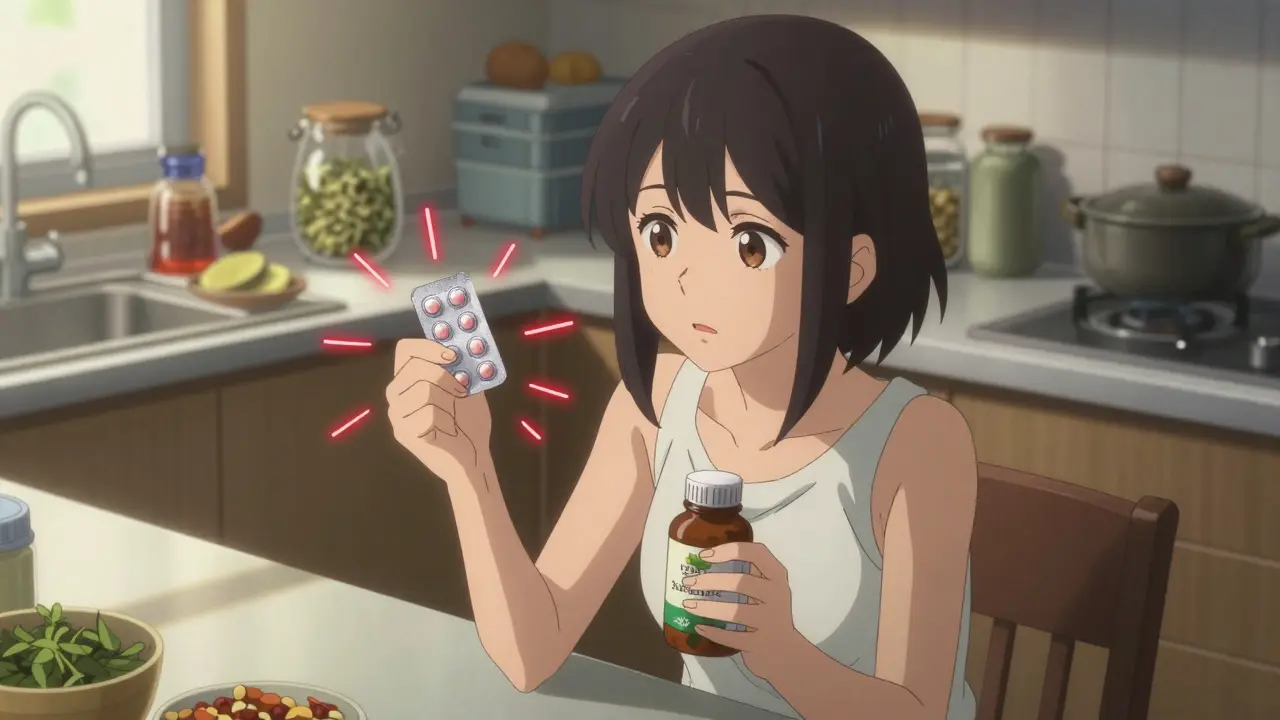
Many women take herbal supplements to support energy, mood, or hormonal balance-without realizing they might be making their birth control less effective. It’s not a myth. It’s not rare. And it’s not always obvious. The truth is, some common herbal products can interfere with how your birth control works, increasing the risk of unintended pregnancy. You’re not alone if you didn’t know this. Most people assume that because something is natural, it’s safe to mix with prescription meds. That’s a dangerous assumption.
St. John’s Wort Is the Biggest Red Flag
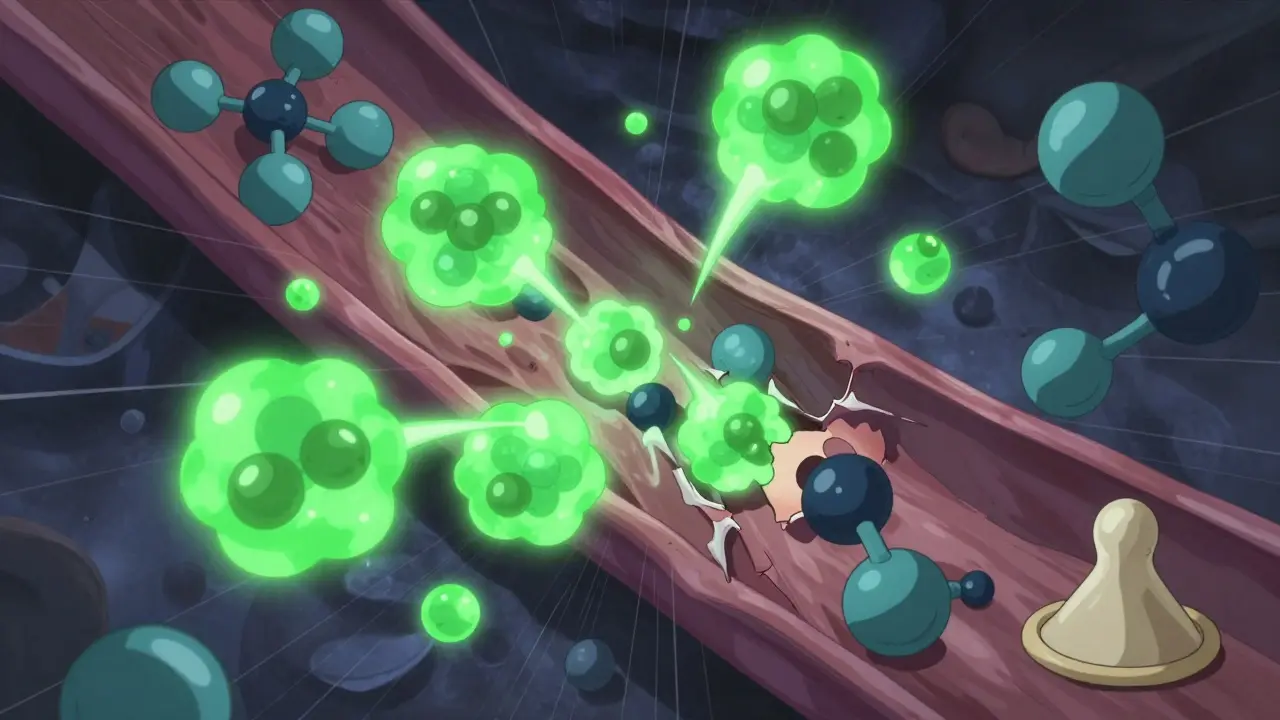
Of all herbal supplements, St. John’s wort is the most well-documented threat to birth control. It doesn’t just slightly reduce effectiveness-it can drop hormone levels enough to cause real contraceptive failure. This herb, often taken for mild depression or anxiety, contains a compound called hyperforin that turns on your body’s drug-processing system. Specifically, it activates enzymes (CYP3A4) and transporters (P-glycoprotein) that break down and flush out the estrogen and progestin in birth control pills, patches, and rings.
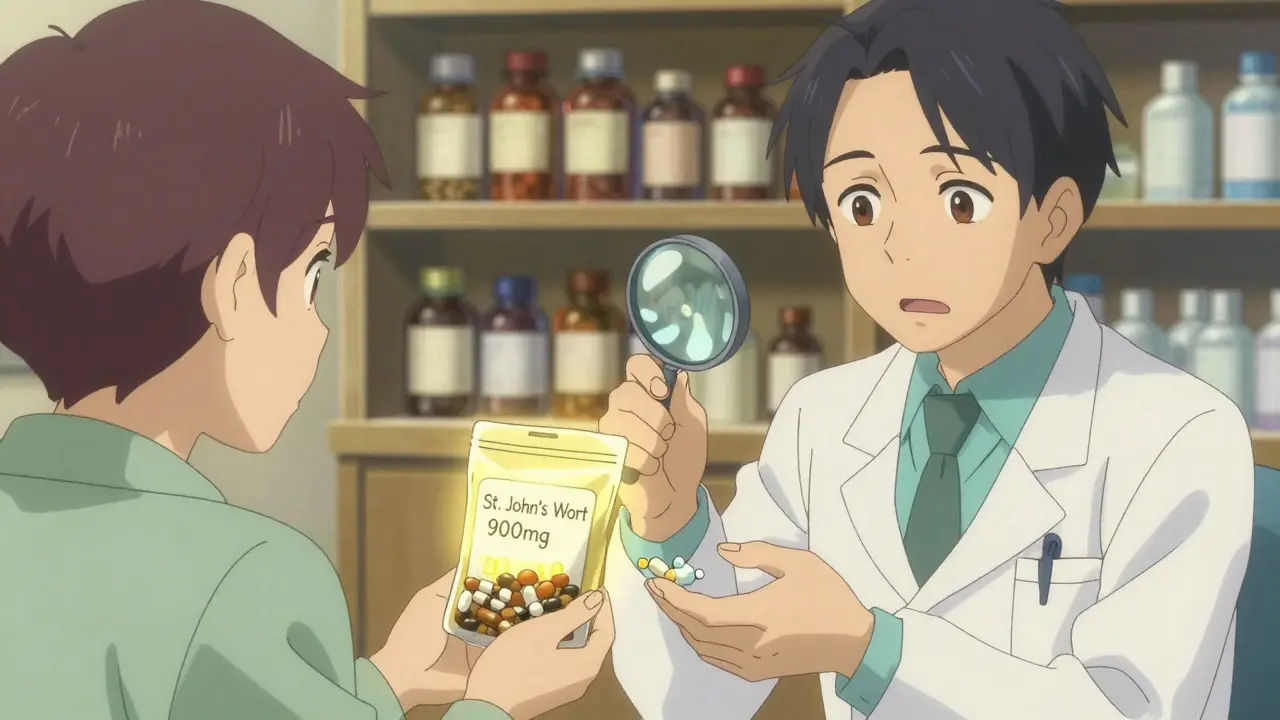
One study found that women taking 900 mg of St. John’s wort daily along with a standard birth control pill had significantly lower hormone levels in their blood. The result? Breakthrough bleeding jumped from 5% in women not taking the herb to 23% in those who were. That’s not just a side effect-it’s a warning sign your birth control isn’t working like it should. And when hormone levels drop that much, ovulation can happen. There have been documented cases of pregnancy in women using both St. John’s wort and oral contraceptives.
Experts recommend stopping St. John’s wort entirely if you’re on hormonal birth control. If you can’t quit, use a backup method like condoms for at least one month after you stop taking it. The enzyme induction doesn’t disappear overnight-it takes time for your body to reset.
Other Supplements That Could Be Risky
St. John’s wort isn’t the only one. Other supplements have shown potential to interfere, though the evidence isn’t as strong or consistent.
- Grapefruit juice can interfere with how your body metabolizes hormones. While it’s better known for affecting blood pressure and cholesterol meds, it may also slow down the breakdown of estrogen, leading to unpredictable hormone levels. It’s not clear if this increases or decreases effectiveness-but either way, it’s unstable.
- Activated charcoal is used for detox or bloating. If you take it within 4 hours of your birth control pill, it can bind to the hormones and pull them out of your system before they’re absorbed. One dose could be enough to cause a drop in hormone levels.
- Soy isoflavones (found in soy supplements or high-dose soy protein) act like weak estrogens. They don’t break down your birth control hormones, but they compete for the same receptors in your body. This could confuse your system and reduce the overall effect of synthetic hormones.
- Alfalfa, garlic pills, saw palmetto, and flaxseed are often flagged as possible risks, but the data is thin. Still, if you’re trying to avoid any chance of failure, it’s safer to skip them.
Supplements That Are Probably Safe
Not everything you take with birth control is risky. Many popular supplements show no evidence of interference.
- Ashwagandha: A 2015 study found no impact on the enzymes that break down birth control hormones. It’s generally considered safe, though long-term safety data is still limited.
- Probiotics: These support gut health and don’t interact with hormonal contraceptives. Even if you have digestive issues, probiotics won’t affect your pill’s absorption.
- Melatonin: No known effect on contraceptive hormones. However, birth control can increase melatonin levels in your body, which might make you feel sleepier than usual.
- Vitamin D, B-complex, magnesium, and iron: These basic supplements don’t interfere with hormonal birth control. They’re fine to take together.
What About DIM and Vitex?
These two are tricky because they’re often marketed to balance hormones-exactly what birth control is designed to do.
DIM (diindolylmethane), found in cruciferous vegetables or sold as a supplement, helps your body metabolize estrogen. At low doses (50-100 mg), there’s no evidence it affects birth control. But at high doses (600 mg+), it could lower estrogen levels enough to reduce contraceptive effectiveness. If you’re taking DIM, stick to the lower end and talk to your doctor.
Vitex (chasteberry) is commonly used for PMS and cycle regulation. Some believe it might interfere with birth control, but current research doesn’t show a direct interaction. In fact, some practitioners say it can complement birth control in managing hormonal symptoms. Still, because it affects the pituitary gland and hormone signaling, it’s best to get medical advice before combining them.
Why This Problem Is Worse Than You Think
Herbal supplements aren’t regulated like prescription drugs. That means:
- There’s no standard for potency-one bottle of St. John’s wort might have 3 times the active ingredient as another.
- Labels often don’t list all ingredients, or they misstate them.
- Manufacturers aren’t required to test for drug interactions.
- Many people believe supplements are harmless because they’re “natural.” But natural doesn’t mean safe in combination.
According to the National Center for Complementary and Integrative Health, nearly 1 in 4 U.S. adults use herbal supplements. Most don’t tell their doctors. And many doctors don’t ask. That’s a gap in care with real consequences.
What You Should Do Right Now
If you’re on hormonal birth control and take any herbal supplement, here’s what to do:
- Make a list of every supplement, herb, and vitamin you take daily-even if you think it’s harmless.
- Check for St. John’s wort first. If it’s on the list, stop it immediately and use condoms for at least a month.
- Don’t assume safety. Just because a supplement is sold in a health food store doesn’t mean it’s safe with birth control.
- Talk to your provider. Bring your list to your next appointment. Ask: “Could any of these affect my birth control?” Don’t wait until you miss a period.
- Consider non-hormonal options if you want to keep taking supplements like St. John’s wort. An IUD or implant doesn’t rely on daily hormone absorption, so it’s less vulnerable to these interactions.
Bottom Line
Your birth control works best when nothing else is messing with how your body handles hormones. St. John’s wort is a known risk. Activated charcoal and grapefruit juice are situational risks. Most other supplements are fine. But the biggest danger isn’t the herbs themselves-it’s the assumption that because they’re natural, they’re safe to mix.
Don’t guess. Don’t assume. Don’t wait for a missed period to realize something went wrong. Talk to your doctor. Be specific. Bring your supplement bottles. Your birth control deserves that level of attention.
Can I take St. John’s wort with birth control if I use a higher dose?
No. Higher doses of St. John’s wort increase the risk of reducing birth control effectiveness. The enzyme-inducing effect is dose-dependent, meaning more of the herb leads to faster breakdown of contraceptive hormones. Even if you’re on a high-dose pill, St. John’s wort can still lower hormone levels enough to cause ovulation. Avoid it completely while using hormonal birth control.
Does ashwagandha interfere with birth control?
Current research shows ashwagandha doesn’t affect the liver enzymes that break down birth control hormones. It’s generally considered safe to take alongside hormonal contraceptives. However, it can cause digestive upset or mild liver stress in some people, which might indirectly affect absorption. Stick to standard doses (300-500 mg daily) and monitor for side effects.
Can grapefruit juice make birth control less effective?
It’s unclear. Grapefruit juice can slow down the metabolism of some hormones, which might increase estrogen levels, or it could interfere with absorption. Either way, it creates unpredictable hormone levels. While it’s not proven to cause pregnancy, it’s not worth the risk. If you drink grapefruit juice regularly, talk to your doctor about switching to a different type of birth control.
Do probiotics affect birth control pills?
No. Probiotics support gut bacteria and don’t interact with the hormones in birth control pills. Even if you have diarrhea or stomach upset from antibiotics or other causes, probiotics themselves won’t reduce the effectiveness of your contraception.
How long after stopping St. John’s wort is birth control safe again?
It takes about 4 to 6 weeks for the enzyme-inducing effects of St. John’s wort to fully wear off. The American College of Obstetricians and Gynecologists recommends using a backup method like condoms for at least one month after you stop taking it. Don’t assume your birth control is working right away-give your body time to reset.
Is DIM safe with birth control?
At low doses (50-100 mg daily), DIM is unlikely to interfere with birth control. At higher doses (600 mg+), it may increase estrogen metabolism enough to reduce contraceptive effectiveness. If you’re taking DIM, stick to the lower end and consult your provider before going higher. Don’t use it as a way to “boost” hormone balance while on birth control-it’s counterproductive.
What to Do Next
If you’re unsure about any supplement you’re taking, don’t rely on internet forums or supplement labels. Your doctor or pharmacist can check for interactions using up-to-date databases. Bring your bottle or the ingredient list to your appointment. If you’ve had breakthrough bleeding, a missed period, or unexpected pregnancy despite using birth control, ask specifically about herbal supplements. Many providers still don’t ask about them-but you can change that.
Your body is complex. Birth control is precise. And herbs? They’re powerful. Treat them like medicine-not harmless tea.
Jeffrey Hu
January 9, 2026 AT 17:44St. John’s wort is literally a CYP3A4 inducer - it’s not even debatable. If you’re on birth control and taking it, you’re playing Russian roulette with your reproductive health. The data’s been published since 2001. You’re not ‘natural’ if you’re risking pregnancy because you read a blog that called it ‘herbal magic.’
Drew Pearlman
January 10, 2026 AT 18:12I just want to say - I get it. You’re trying to feel better. You’re trying to manage anxiety or mood swings without pills, and that’s brave. But this post? It’s not here to shame you. It’s here to say: ‘Hey, you’re not alone, and there’s a safer way.’ Maybe swap St. John’s wort for therapy or sunlight. Maybe try ashwagandha instead. You deserve to feel good without risking your birth control. You’re not broken. You’re just learning.
Meghan Hammack
January 12, 2026 AT 09:56OMG I just realized I’ve been taking St. John’s wort for 2 years with my pill 😭 I thought it was ‘just herbal tea’ and now I’m sweating. I’m going to the pharmacy tomorrow and getting condoms. And I’m telling my mom. And my sister. And my cat. I’m literally screaming this to the universe. THANK YOU for this post. I’m alive. I’m safe. I’m not pregnant. 😭❤️
RAJAT KD
January 13, 2026 AT 20:39Activated charcoal within 4 hours of pill = reduced absorption. Verified by pharmacokinetic studies. No speculation. Avoid.
Lindsey Wellmann
January 14, 2026 AT 08:33Okay but can we talk about how the word ‘natural’ is the most dangerous word in wellness culture? 🙄 I mean… arsenic is natural. Poison ivy is natural. And yet somehow we think ‘natural’ = safe? 🤦♀️ I’m so done. Also - grapefruit juice? I drink it every morning. Now I’m terrified. 🍊💀
Pooja Kumari
January 16, 2026 AT 06:55I’ve been on birth control for 8 years and took St. John’s wort for my ‘mild depression’ and I didn’t even know it could mess with my hormones. I had breakthrough bleeding for months and thought it was ‘just stress.’ Then I got pregnant. And lost the baby. And now I’m in therapy. And I hate myself for not knowing. I’m not mad at the internet. I’m mad at the system that lets companies sell this stuff like it’s harmless. Why doesn’t the FDA do anything? Why don’t pharmacies put warning stickers on the bottles? I’m just… so tired. 😔
Jacob Paterson
January 17, 2026 AT 07:19Wow. So you’re telling me that people who think ‘natural’ means ‘safe’ are just dumb? And that’s the whole point of this post? Congratulations. You just wrote a 2000-word essay to say ‘don’t be an idiot.’ I’m impressed. Also - if you’re taking supplements, you’re already one step away from a cult. Just get a damn IUD and stop pretending you’re a biohacker.
Angela Stanton
January 17, 2026 AT 20:38Let’s be real - the CYP3A4/P-gp induction cascade from hyperforin in St. John’s wort is a pharmacokinetic nightmare. The AUC of ethinyl estradiol drops by up to 50% in chronic users. That’s not ‘maybe’ - that’s a clinically significant interaction with documented contraceptive failure. And yet, 78% of users still don’t disclose supplement use to providers. We’re not talking about ‘wellness’ - we’re talking about a systemic failure in patient-provider communication. Fix the system. Not the supplement labels.
Johanna Baxter
January 18, 2026 AT 19:11I took ashwagandha and birth control for a year and I’m fine. So you’re just scaremongering. Also I don’t trust doctors. They just want to sell you pills. I’m not stopping my supplements. I’ve got my own body. I’ve got my own truth. 🙃
Jerian Lewis
January 19, 2026 AT 08:09If you’re taking supplements while on birth control, you’re already compromising your hormonal integrity. The body isn’t a chemistry set. It’s an ecosystem. And you’re injecting it with unregulated botanicals that have no place in a regulated medical system. Just stop.
Phil Kemling
January 19, 2026 AT 15:31What’s interesting isn’t the interaction - it’s why we assume natural equals safe. It’s a cultural myth rooted in romanticized notions of pre-industrial healing. But nature doesn’t care if you’re trying to prevent pregnancy. It doesn’t care about your intentions. It only cares about biochemistry. The real question isn’t ‘what’s safe?’ - it’s ‘why do we keep trusting things that aren’t regulated?’ We’re not just ignorant. We’re willfully naive.