

Imagine a sensation like passing shards of glass. For thousands of people, this isn't a metaphor-it's the daily reality of dealing with an anal fissure is a small tear or split in the lining of the anal canal, specifically affecting the anal mucosa. While it might sound like a minor issue, the pain is often disproportionate to the size of the wound, leading many to avoid the bathroom or skip social events entirely. The good news is that most of these tears heal with the right approach, but knowing whether you need a simple diet change or a medical procedure is the key to getting your life back.
The Cycle of Pain: Why Fissures Won't Heal
To fix a fissure, you first have to understand why it happens. Most of the time, it starts with trauma-usually from straining during constipation or passing a hard stool. However, the real problem isn't just the initial tear; it's a biological trap. When the anal canal is injured, the internal anal sphincter is an involuntary muscle that controls the closure of the anal canal goes into spasm.
This spasm is the body's way of reacting to pain, but it creates a vicious cycle. The muscle tightens, which increases resting pressure-sometimes jumping from a normal 15-20 mmHg to over 25 mmHg. This high pressure squeezes the blood vessels, cutting off the oxygen and blood flow the tissue needs to heal. Because the blood flow can drop by as much as 60%, the wound stays open, the pain persists, and the muscle stays clamped shut. If this persists beyond eight weeks, it becomes a chronic fissure, often developing a "sentinel pile" (a small skin tag) at the base of the tear.
Immediate Relief and Conservative Healing
For about 80-90% of acute cases, you don't need surgery. You just need to break that spasm cycle and soften the stool. The goal is to make bowel movements effortless so the tissue can knit back together without being ripped open again every morning.
A successful conservative strategy usually involves four main pillars:
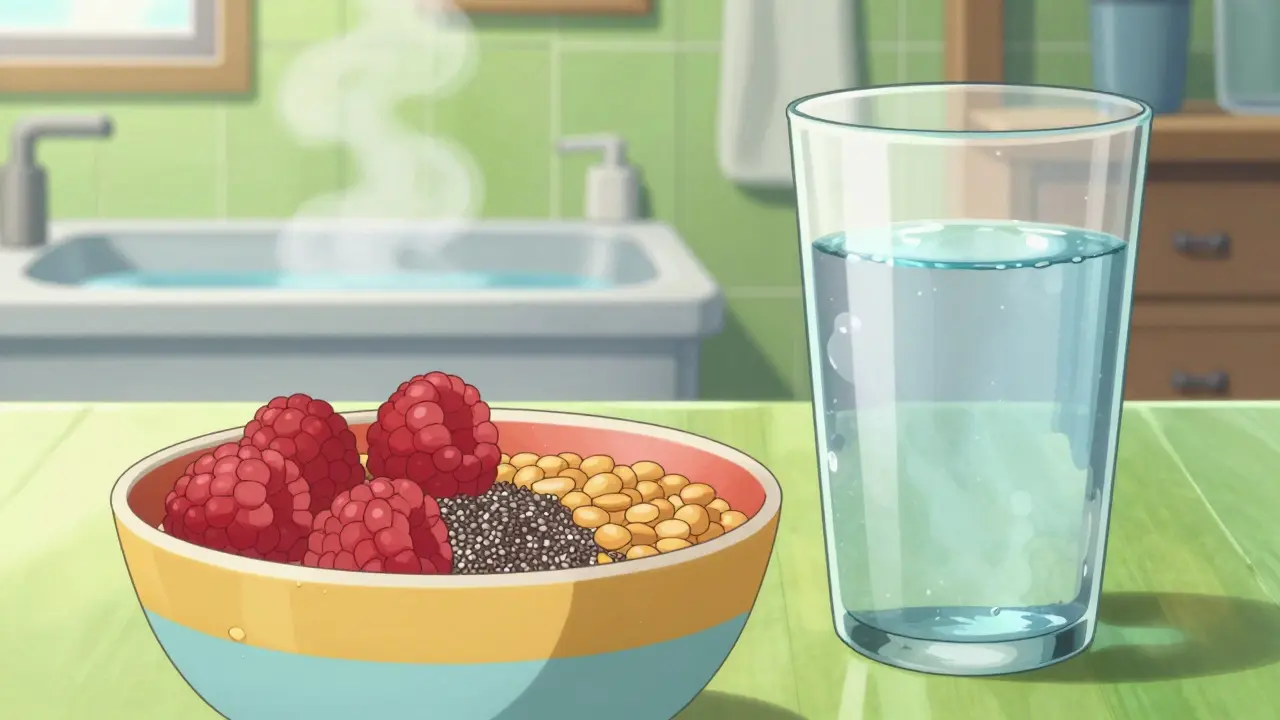
- Fiber Loading: Aim for 25-35 grams of fiber daily. Think chia seeds, lentils, and raspberries. Just be careful-pumping your fiber intake from 10g to 40g overnight can cause bloating. Scale up slowly over a week.
- Hydration: Fiber without water is like concrete in your gut. Drink 8-10 glasses of water a day to keep things moving.
- Sitz Baths: This is a game-changer. Sitting in warm water for 15-20 minutes, 3-4 times a day, helps relax the sphincter muscle and increases blood flow to the area.
- Pre-emptive Lubrication: Applying a 5% lidocaine ointment before a bowel movement can numb the area, reducing the pain that triggers the muscle spasm.
| Method | Target/Frequency | Primary Goal |
|---|---|---|
| Dietary Fiber | 25-35g / day | Soften stool consistency |
| Fluid Intake | 2.5-3L / day | Prevent stool hardening |
| Sitz Bath | 3-4 times daily | Relax sphincter muscle |
| Lidocaine | Before defecation | Reduce pain-induced spasm |
Medical Interventions: When Diet Isn't Enough
When the tear becomes chronic, you need something stronger than fiber to force that muscle to relax. This is where pharmacological treatments come in. Doctors typically use medications that act as vasodilators, meaning they open up blood vessels to bring healing nutrients back to the tissue.
One common option is Nitroglycerin is a medication used to relax the internal anal sphincter and improve blood flow to the fissure. While effective, it's notorious for causing pounding headaches in about a third of users. Because of this, many specialists now prefer Diltiazem or Nifedipine, which are calcium channel blockers. These offer similar healing rates (65-75%) but with far fewer side effects.
If creams don't work, Botox is a neurotoxin injected into the sphincter muscle to temporarily paralyze it and break the pain-spasm cycle. An injection of 15-30 units can provide a window of healing, though about 40% of people see the fissure return within a year once the effects of the Botox wear off.
The Last Resort: Surgical Solutions
When all else fails, the "gold standard" for chronic fissures is a Sphincterotomy is a surgical procedure where a small part of the internal anal sphincter muscle is cut to permanently reduce resting pressure. By physically releasing the tension in the muscle, the blood flow returns and the wound finally closes.
The success rate is incredibly high, often between 92-98%. However, it's a permanent change to your anatomy. There is a small but significant risk (around 14%) of minor fecal incontinence, where the muscle is slightly too relaxed to hold gas or liquid perfectly. Because of this risk, surgeons only recommend this for patients who have failed every other treatment option over several months.
How to Spot the Difference: Fissures vs. Other Issues
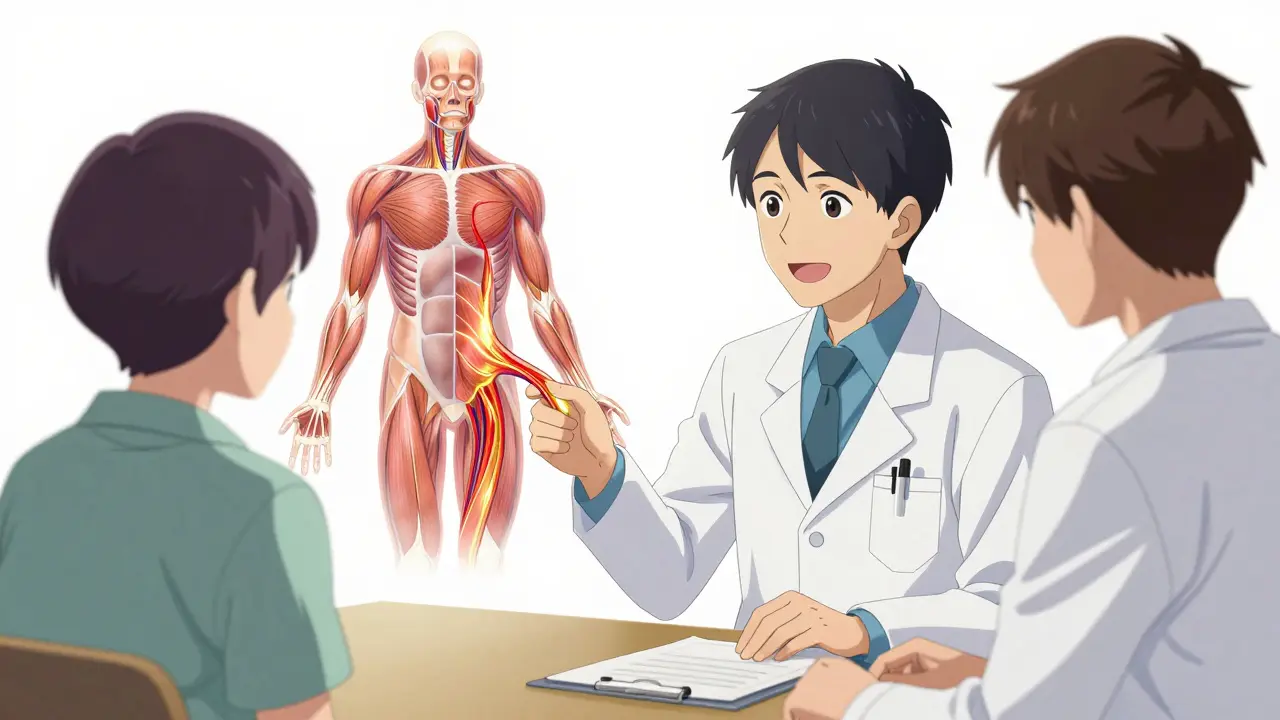
Not every tear in the anal area is a simple fissure. It's crucial to get a proper diagnosis because treating a fissure with fiber and creams won't help if the underlying cause is something else. About 10% of people misdiagnosed with fissures actually have Crohn's Disease is a type of inflammatory bowel disease (IBD) that causes inflammation of the digestive tract, which can cause multiple fissures or deeper ulcers.
If you notice a lot of mucus, weight loss, or if the tears are located in unusual spots (not the midline), it's a red flag. Malignancies can also occasionally mimic the symptoms of a fissure. If you've been treating a "tear" for two months with no improvement, it's time to stop the DIY approach and see a colorectal specialist for a proper exam.
How long does it take for an anal fissure to heal?
Most acute fissures heal within 6 to 8 weeks with conservative treatment like high-fiber diets and sitz baths. However, if it lasts longer than 8 weeks, it is considered chronic and may require prescription ointments or procedures to break the muscle spasm cycle.
Can I cure an anal fissure at home?
Yes, many do. The best home strategy is a combination of increasing fiber to 25-35g daily, drinking plenty of water, and taking warm sitz baths several times a day to relax the anal sphincter. If these don't work after a few weeks, you should see a doctor for prescription-strength creams.
What are the side effects of nitroglycerin cream?
The most common side effect is a significant headache, occurring in 20-32% of patients. This happens because the medication is absorbed into the bloodstream and dilates blood vessels in the head. Many doctors now prescribe Diltiazem or Nifedipine instead to avoid this.
Is surgery always necessary for chronic fissures?
No. Surgery (sphincterotomy) is generally the last resort. Many chronic cases respond to calcium channel blocker ointments or Botox injections. Surgery is usually only recommended when the quality of life is severely impacted and other medical therapies have failed.
Can too much fiber make it worse?
In some cases, yes. While fiber is generally helpful, taking more than 40g daily without enough water can actually increase stool bulk too much, potentially causing further trauma to the tear in about 12% of patients.
Next Steps for Recovery
If you're currently in pain, start with a warm sitz bath immediately after your next bowel movement to calm the muscle. Then, focus on your water intake-aim for 3 liters a day. If you don't see an improvement in stool consistency within a week, consider adding a gentle fiber supplement. If you see bright red blood on the toilet paper, don't panic, but do schedule a check-up to rule out other conditions like IBD. For those who have already tried these steps for over a month without success, the next logical step is to request a prescription for a calcium channel blocker ointment from your provider.