

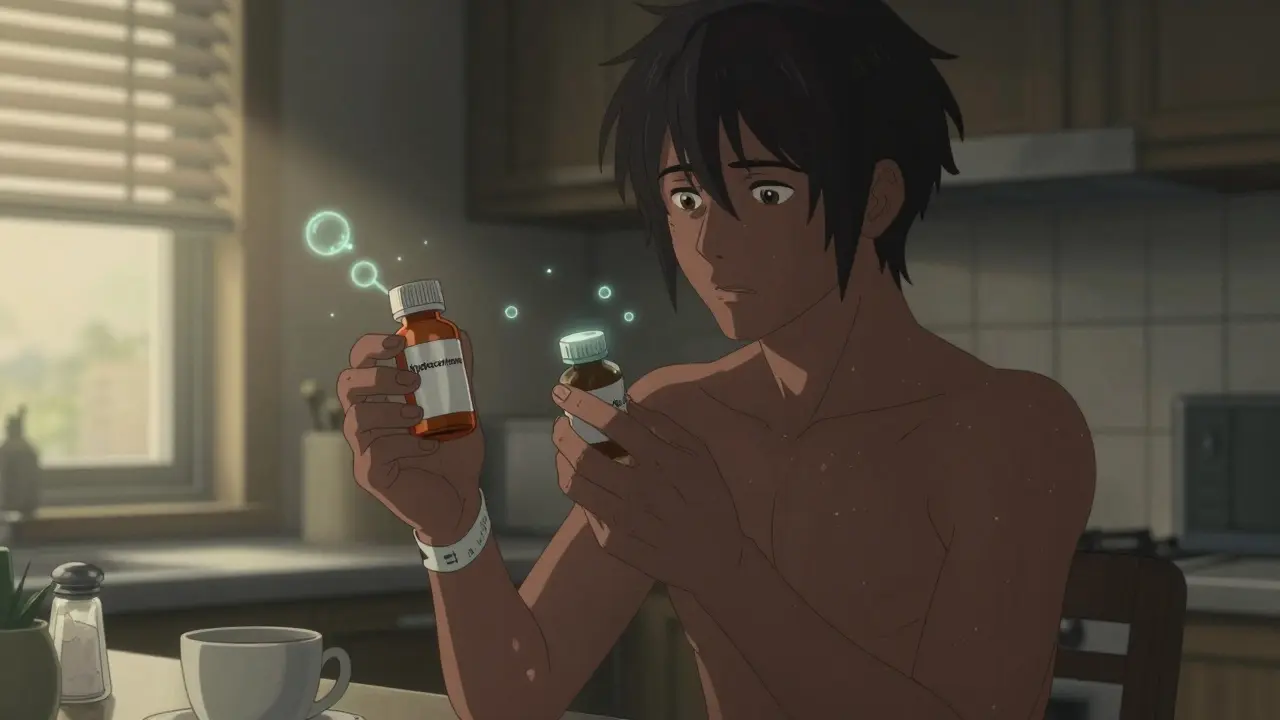
Addison’s disease isn’t just a rare endocrine disorder-it’s a daily balancing act between life and crisis. When your adrenal glands stop producing cortisol and aldosterone, your body loses its ability to handle stress, regulate blood pressure, or even maintain basic energy levels. Without treatment, an everyday cold can turn deadly. This isn’t theoretical. It’s real for over 100,000 people worldwide, and for many, the journey to diagnosis takes years.
What Actually Happens in Addison’s Disease?
Your adrenal glands sit on top of your kidneys and make hormones your body can’t live without. Cortisol manages stress, blood sugar, and inflammation. Aldosterone keeps your sodium and potassium in balance. In Addison’s disease, your immune system attacks these glands-often without warning-and slowly destroys them. By the time symptoms show up, you’ve already lost 90% of your adrenal function. This isn’t something that comes on overnight. People often feel tired for months, lose weight, crave salt, and get darker skin in places like knuckles, gums, and scars. That darkening? It’s caused by high ACTH levels, the hormone your brain keeps pumping out trying to wake up your failing adrenals. It’s one of the clearest signs that this isn’t just burnout-it’s adrenal failure.How Is It Diagnosed?
Most doctors miss it at first. Symptoms mimic the flu, IBS, depression, or chronic fatigue. A 2023 study from the National Adrenal Diseases Foundation found 63% of patients waited over three years for the right diagnosis. Many see gastroenterologists or primary care doctors first, getting treated for stomach issues that never improve. The real test is the ACTH stimulation test. You get a shot of synthetic ACTH, then your cortisol levels are checked after 30 and 60 minutes. If your cortisol doesn’t rise above 18 mcg/dL, your adrenals aren’t responding. That’s a diagnosis. Blood tests will also show low sodium, high potassium, and elevated ACTH. A positive 21-hydroxylase antibody test confirms it’s autoimmune-this is the most common cause in North America and Europe.Primary vs. Secondary Adrenal Insufficiency
Not all adrenal insufficiency is Addison’s disease. There’s a key difference:- Addison’s (primary): Your adrenal glands are damaged. You lose both cortisol and aldosterone. You get low sodium, high potassium, dark skin, and need both types of replacement.
- Secondary: Your pituitary gland doesn’t signal your adrenals properly. Your adrenals are fine-they’re just not being told to work. You only need cortisol replacement. No salt imbalance. No darkening.
Steroid Replacement: The Lifeline
There’s no cure. But there is life-with the right medications.- Hydrocortisone replaces cortisol. Typical dose: 15-25 mg per day, split into two or three doses. Most take 10-15 mg in the morning and 5-10 mg in the afternoon. Taking it all at once mimics the natural rhythm poorly and leads to crashes.
- Fludrocortisone replaces aldosterone. Usually 50-300 mcg daily. It helps your kidneys hold onto sodium and push out potassium. Without it, you’ll get dizzy, weak, and your blood pressure will drop dangerously low.
Adrenal Crisis: The Emergency You Can’t Ignore
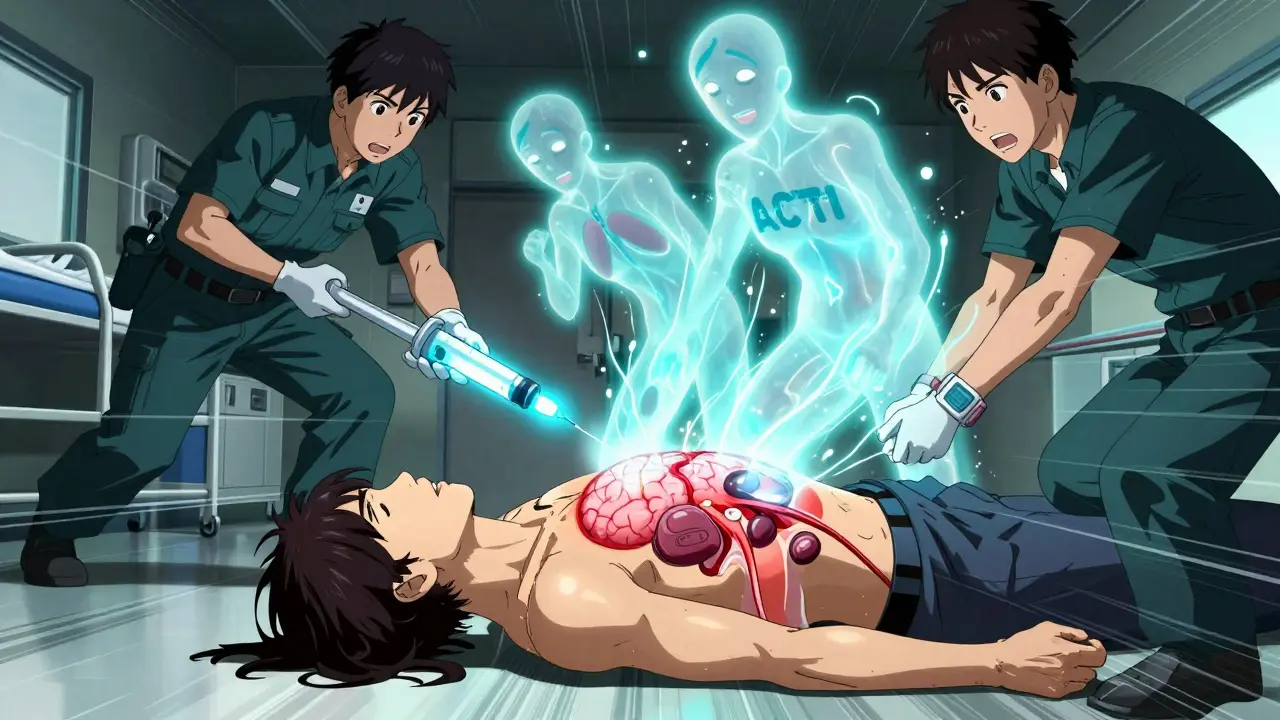
An adrenal crisis is a medical emergency. It looks like severe vomiting, confusion, low blood pressure, and collapse. Without immediate treatment, death can happen within hours. The most common triggers? Infections (39%), stomach bugs (25%), and forgetting to take your meds (18%). Even dental work or a fever can set it off. Every patient needs an emergency injection kit-100 mg of hydrocortisone for intramuscular or IV use. It’s not a backup. It’s your lifeline. The UK Addison’s Disease Registry found that patients who carried and used their injection had 50% lower death rates from crisis. You also need a medical alert bracelet. Paramedics and ER staff don’t know your history unless you tell them-and in crisis, you often can’t speak.Sick Day Rules: What to Do When You’re Ill
This is where most patients fail-and where the biggest survival gap exists. When you’re sick, your body needs more cortisol. Standard advice: double or triple your hydrocortisone dose. If you have a fever, vomiting, or can’t keep food down, switch to injections immediately. No waiting. No hoping it gets better. The Addison’s Disease Self Help Group’s training program showed that patients who learned these rules reduced their crisis frequency by 85%. But here’s the problem: most doctors don’t teach this properly. A 2023 clinical trial found that patients trained by endocrinologists made 75% fewer dosing errors than those who just got a pamphlet at discharge.The Hidden Costs and Emotional Toll
Hydrocortisone tablets cost $350-$500 a month in the U.S. without insurance. That’s not affordable for everyone. A 2022 survey found 40% of patients skip doses or ration pills because of cost. That’s not laziness-it’s survival math. And the mental load? It’s heavy. Reddit threads from patients are full of phrases like, “I’m scared to let my kids get sick because I know I’ll have to double my dose and I’m terrified I’ll get it wrong.” Or, “No one understands why I need to take hydrocortisone at 3 a.m. when I have a fever.” Many feel isolated. They’ve been told they’re “just anxious” or “overreacting.” But the data doesn’t lie: 78% of patients have had at least one adrenal crisis in the last five years-even while following treatment.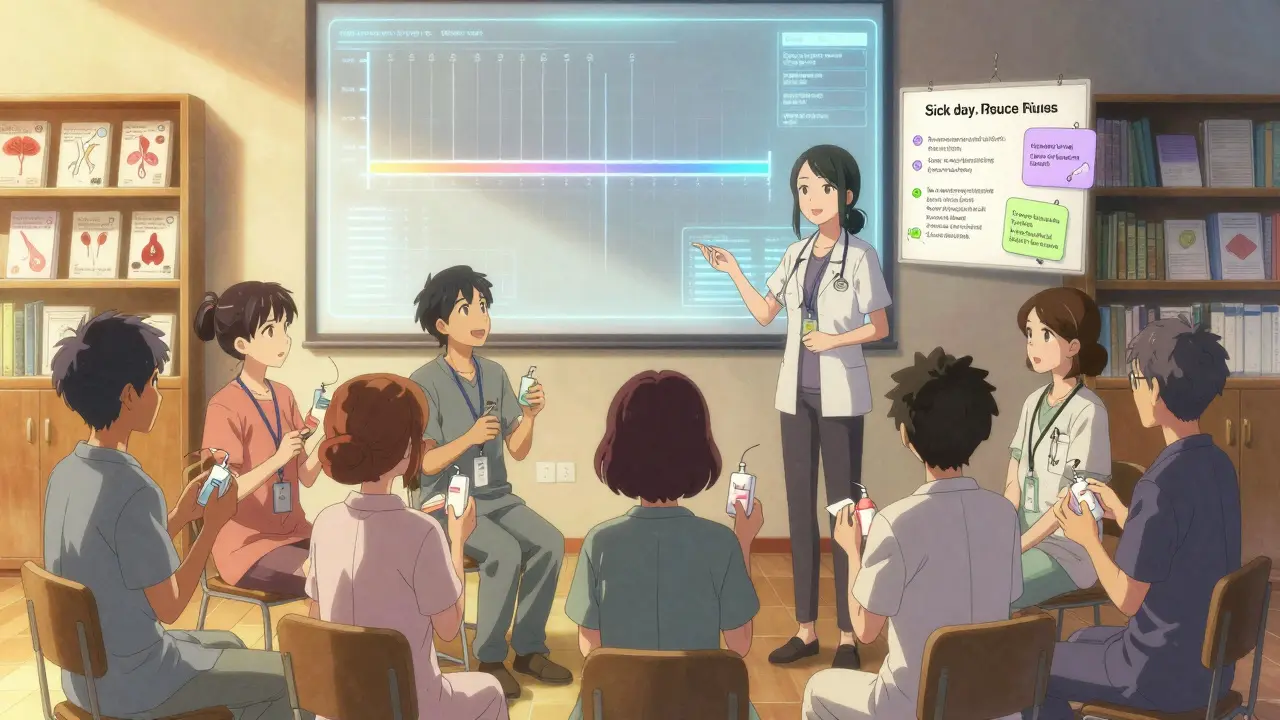
New Hope: Better Treatments on the Horizon
There’s progress. In 2023, the FDA approved Chronocort, a modified-release hydrocortisone that mimics the body’s natural cortisol rhythm better than standard pills. It’s taken once daily and cuts cortisol swings by 37%. Early results show fewer crashes and better sleep. Researchers are also testing wearable devices that monitor cortisol levels in real time. These aren’t available yet, but early trials suggest they could reduce crisis rates by 60% within five years. Meanwhile, universal testing for 21-hydroxylase antibodies is now recommended for all new cases-this helps confirm autoimmune Addison’s and guides screening for other conditions like thyroid disease or type 1 diabetes, which affect half of all patients.Living With It: What Works
You can live a full life with Addison’s disease. But it demands discipline.- Carry your injection kit everywhere.
- Wear your medical alert ID.
- Learn your sick day rules cold.
- Get annual blood work: sodium, potassium, cortisol, and screening for other autoimmune diseases.
- Find an endocrinologist who specializes in adrenal disorders. General endocrinologists often don’t have the depth of experience needed.
Why This Matters Beyond the Diagnosis
Addison’s disease is rare-but the lessons it teaches are universal. Our bodies need balance. Hormones aren’t optional. Stress isn’t just emotional-it’s biological. And sometimes, the most life-saving thing you can do is carry a small syringe in your bag and know exactly when to use it. This isn’t about being “strong.” It’s about being prepared. Because when your body can’t make its own life-support system, the only thing standing between you and crisis is your next dose-and your willingness to take it seriously.Can Addison’s disease be cured?
No, Addison’s disease cannot be cured. The damage to the adrenal glands is permanent. Lifelong steroid replacement with hydrocortisone and fludrocortisone is required to replace the hormones your body can no longer produce. Without this treatment, the condition is fatal.
What happens if I miss a dose of hydrocortisone?
Missing one dose occasionally may cause fatigue, dizziness, or nausea. But if you miss doses during illness, stress, or injury, you risk adrenal crisis-a life-threatening drop in blood pressure and blood sugar. Always double or triple your dose when sick, and use an emergency injection if you can’t keep pills down.
Why do people with Addison’s disease have dark skin?
High levels of ACTH, the hormone your pituitary gland releases to try to stimulate your failing adrenals, also stimulate melanocytes-the cells that produce skin pigment. This leads to hyperpigmentation, especially in areas like knuckles, scars, gums, and skin folds. This is a hallmark sign of primary adrenal insufficiency and helps distinguish it from secondary causes.
Do I need to take fludrocortisone forever?
Yes-if you have primary adrenal insufficiency (Addison’s disease), you’ll need fludrocortisone for life. It replaces aldosterone, which your body no longer makes. Without it, you’ll lose sodium, retain potassium, and risk dangerous drops in blood pressure. Secondary adrenal insufficiency doesn’t require fludrocortisone because aldosterone production remains intact.
Can I still exercise or travel with Addison’s disease?
Absolutely. Many people with Addison’s live active lives, including athletes and travelers. But you must adjust your steroid dose for physical stress. Increase hydrocortisone before intense workouts, long flights, or hot weather. Always carry your emergency injection and medical ID. Plan ahead-know where pharmacies are in case you need more medication while traveling.
Is Addison’s disease hereditary?
It’s not directly inherited like a genetic disorder, but there’s often a family history of autoimmune diseases. If you have Addison’s, your relatives may have a higher risk of developing type 1 diabetes, thyroid disease, or vitiligo. Testing for 21-hydroxylase antibodies can help identify risk in close family members.
What’s the biggest mistake people make with Addison’s disease?
Underestimating the need for extra steroids during illness. Many patients think, “I feel okay, so I’ll stick to my regular dose.” But even a minor infection or fever increases your body’s demand for cortisol. Not adjusting your dose is the leading cause of adrenal crisis. Always follow sick day rules-never guess.
Lance Nickie
January 15, 2026 AT 00:33addison’s? more like addison’s nightmare. i took one pill and my whole face turned black. doc said it’s normal. yeah right.
Damario Brown
January 15, 2026 AT 10:22look, i’ve read the study. cortisol replacement is just a bandaid. you’re not replacing the endocrine system-you’re hacking it with synthetic junk. the body wasn’t designed for this. and the cost? $500/mo? that’s institutionalized neglect. we’re treating symptoms like they’re the disease. fix the immune system, not the output.
sam abas
January 16, 2026 AT 19:14ok so let me get this straight-you’re telling me someone can go from feeling ‘a little tired’ to nearly dying because their adrenals stopped working? and the only solution is to take pills at 3am? that’s not medicine, that’s a full-time job. i’ve had ‘chronic fatigue’ for years and every doctor just said ‘sleep more’ or ‘cut caffeine’. no one ever checked my cortisol. what if i had this and never knew? i’d be dead by now. and why the hell is fludrocortisone even a thing? why can’t we just give the body what it needs instead of patching it with chemicals that cost more than my rent? and don’t even get me started on the ‘emergency shot’ thing. imagine having to carry a syringe like it’s your phone. that’s not living, that’s surviving on a timer.
John Pope
January 17, 2026 AT 00:45the real tragedy isn’t the disease-it’s how we’ve normalized medical abandonment. we let people suffer for years because ‘it looks like depression’ or ‘maybe it’s IBS’. we treat symptoms like puzzles instead of screams. and then we hand them a pill bottle and say ‘good luck’. the fact that a medical alert bracelet is the difference between life and death? that’s not healthcare. that’s a moral failure wrapped in a white coat. we don’t need more drugs-we need better diagnosis, better training, better empathy. and yet, here we are. giving out pamphlets like they’re gospel while patients die in ERs because no one knew to give them 100mg of hydrocortisone. the system didn’t fail them. it was designed this way.
Clay .Haeber
January 17, 2026 AT 19:02oh sweet jesus. so now we’re glorifying steroid dependence like it’s some kind of warrior ethos? ‘carry your syringe everywhere’? sounds like a bad superhero origin story. ‘he was just a man… until he learned to inject cortisol like a goddamn knight of the adrenal order.’ i mean, come on. this isn’t ‘living with it’-this is being held hostage by your own biology. and the ‘new hope’? a pill that mimics nature better? wow. groundbreaking. we’ve been using synthetic hormones since the 1950s and now we’re impressed because it’s slightly less janky? congrats. we’re not curing anything. we’re just making the cage slightly more comfortable.
Priyanka Kumari
January 18, 2026 AT 18:30thank you for writing this with such care. as someone who works with autoimmune patients in India, I’ve seen how stigma and lack of access make this even harder. Many don’t even know what cortisol is. I’ve distributed printed sick-day guides in Hindi and Tamil-simple, no jargon. One woman said, ‘I thought I was weak for needing extra pills when I had a fever.’ Now she carries her injection in her sari pocket. Knowledge is power, but access is justice. Let’s keep pushing for better training and lower-cost generics. You’re not alone.
Avneet Singh
January 19, 2026 AT 02:07the data is statistically insignificant. 100k people? that’s less than 0.03% of the global population. why are we treating this like a public health emergency? it’s a niche pathology. the real issue is overdiagnosis of autoimmune disorders. we’ve pathologized fatigue. cortisol replacement is a pharmaceutical cash cow. and chronocort? it’s just a branded placebo with a fancy release profile. the patient advocacy groups are funded by pharma. read the disclosures.
Adam Vella
January 20, 2026 AT 22:25the assertion that adrenal insufficiency is primarily autoimmune in origin is misleading. While 21-hydroxylase antibodies are prevalent in North America and Europe, global epidemiology reveals significant variation. In sub-Saharan Africa and parts of Asia, tuberculosis remains the leading cause of primary adrenal insufficiency. The post’s framing implicitly assumes a Western biomedical paradigm, which is neither universal nor scientifically comprehensive. Furthermore, the emphasis on hydrocortisone dosing schedules ignores circadian biology in non-Western populations with different sleep-wake cycles. A truly evidence-based approach must account for cultural, geographic, and metabolic heterogeneity.
Nelly Oruko
January 21, 2026 AT 21:25the fact that people have to carry emergency shots like a weapon… it’s heartbreaking. i had a friend with this. she’d cry before every doctor’s visit because she knew they’d look at her like she was dramatic. i used to set alarms for her to take her meds. she’d say, ‘i don’t want to be the girl who needs pills to live.’ but she was. and she still is. and she’s alive because she didn’t give up. we need to stop making people feel guilty for needing help. it’s not weakness. it’s biology.
vishnu priyanka
January 22, 2026 AT 06:09in my village in Kerala, people say adrenal problems are ‘karma’ from past life. i showed them this article. now they ask if i can get them the ‘magic salt pills’. one aunty brought me turmeric tea and said, ‘this fixes everything.’ i didn’t correct her. sometimes, hope is the first dose.
Diana Campos Ortiz
January 22, 2026 AT 14:36i’ve been living with this for 12 years. i used to skip doses when i was broke. now i carry my injection in my purse, my backpack, my baby’s diaper bag. i don’t care what people think. i’m not dying because i couldn’t afford a $350 pill. if you’re newly diagnosed? don’t listen to the internet. find your tribe. join the group. they’ll tell you what the doctors won’t.
Jesse Ibarra
January 23, 2026 AT 14:58you people are pathetic. you’re glorifying dependency like it’s some kind of virtue. ‘carry your syringe everywhere’? that’s not resilience-that’s surrender. you’re letting a medical system that charges $500 for a pill dictate your entire existence. why not just move to a country with universal healthcare? or get a second job? or stop being so dramatic? this isn’t a tragedy. it’s a lifestyle choice you made by not being more responsible. if you can’t afford meds, don’t have kids. don’t travel. don’t exercise. just stay still and hope you don’t get a cold. that’s what adults do.